

7 Quality Control Points of High Borosilicate Double Wall Glass Cups for European Buyers
Pulished on Jun. 13, 2026


What is the most worrying thing when you start to source high borosilicate double wall glass cups from China?
Is it uneven rims that might ruin sealing? Color differences between batches? Or cups suddenly broken in the dishwashers?
Actually, these quality issues don’t just hurt your brand’s reputation, and these lead directly to products returns, negative reviews, and lose customers.
This article breaks down the 7 most critical quality control points in high borosilicate double wall glass cup production in detail which might help you make good sourcing decisions.
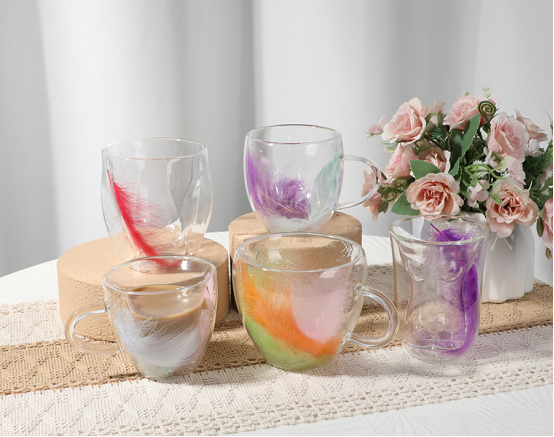
QC Point 1: Raw Material Purity
High borosilicate glass mainly relies on quartz sand (SiO₂) and borax (B₂O₃) . The purity of these two material directly determines transparency and chemical stability.
Risks of low-grade materials:
- Iron/chromium impurities will cause blue-green color or fogging on the glass
- Excessive impurity content will reduce thermal shock resistance.
Acceptable standards:
- High-purity quartz sand: SiO₂ ≥99.5%, Fe₂O₃ ≤0.01%
- Borax: Industrial premium grade, purity ≥99%
Recommended Procurement Measures: Require glass suppliers to provide raw material procurement records and third-party component testing reports.
QC Point 2: Melting Uniformity
Raw materials melt at 1600°C+. The melting process determines whether bubbles and striae appear in the glass.
Common Defects:
Defect | Appearance | Quality Impact |
Bubble | Round/oval air pockets | Reduced transparency, stress concentration |
Striae | Thread-like patterns | Poor aesthetics, reduced strength |
Acceptable standard:
- Bubble diameter ≤0.5mm, ≤3 bubbles per dm²
- No visible striae to naked eye
Action item: Request kiln temperature records; inspect samples with strong backlight.
QC Point 3: Stress Annealing — The Most Critical Step
This is the most easily overlooked yet most important quality control point. High borosilicate glass generates internal thermal stress during the molding process. If it is not sufficiently annealed, the residual stress can cause the glass to suddenly shatter during subsequent use (especially when exposed to temperature changes).
Annealing parameters:
- Temperature: 560-580°C
- Soak time: 30-60 minutes (depends on wall thickness)
- Cooling rate: ≤5°C/min until below 300°C
Testing method — Polariscope:
Use a polariscope to measure residual stress. Acceptable standard: Optical path difference ≤100nm/cm.
Action item: Request stress test reports for each batch and reserve the right for third-party testing.
QC Point 4: Wall Thickness Tolerance
Double wall cups have inner and outer layers. Uniform wall thickness directly impacts insulation performance and appearance.
Target parameters:
- Outer wall: 1.5-2.0mm
- Inner wall: 1.2-1.8mm
- Gap between walls: Uniform 2-3mm
Issues from uneven thickness:
- Inconsistent insulation
- Poor appearance
- Localized stress concentration
Acceptable standard: Thickness variation ≤±0.2mm on the same cup
Recommended procurement measures: Third-party random inspection, using a wall thickness measuring instrument and recording the inspection data.
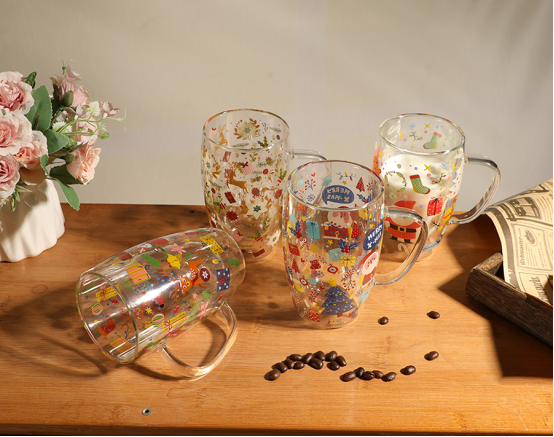
QC Point 5: Rim Flatness
The rim is the most frequently contacted part of the cup. Poor rim flatness affects drinking comfort and lid sealing (for lidded products).
Inspection items:
1. Roundness: Is the rim perfectly circular?
2. Flatness: Is the rim edge on a single plane?
3. Smoothness:Are there sharp edges or burrs?
Testing methods:
- Roundness: Measure inner diameter in multiple directions with calipers
- Flatness: Invert cup on a flat surface and check for rocking
- Smoothness: Slide finger along rim to feel for sharp spots
Acceptable standard: Roundness deviation ≤±0.5mm, flatness ≤0.5mm, no sharp edges.
QC Point 6: Batch-to-Batch Consistency
For chain brands or long-term buyers, batch consistency is critical.
Consistency metrics:
Parameter | Allowable Variation |
Color/transmittance | ΔE < 0.5 |
Capacity | ±3ml |
Total height | ±1.0mm |
Outer diameter | ±0.5mm |
How consistency is achieved:
- Raw material traceability system
- Standardized production parameters
- Retained samples from each batch for comparison
Action item:Specify consistency standards in your contract and retain samples as acceptance references.
QC Point 7: Packaging & Drop Testing
Breakage during international shipping is the biggest risk for glassware. Packaging quality directly determines damage rates.
Export-standard packaging:
1. Individual cup: Bubble wrap or PE foam sleeve
2. Inner packing: Custom foam inserts or honeycomb cardboard dividers
3. Carton:5-layer corrugated, burst strength ≥15kgf/cm²
4. Palletizing: Stretch film + strapping bands + corner protectors
Testing requirements:
- Drop test: Packed carton dropped from 100cm onto concrete – product must survive
- Vibration test: Simulated transport vibration for 10 minutes – check for abrasion
Action item:Ask third-party to have a test on supplier’s packaging & transportation.
About Us
Garbo specializes in R&D and manufacturing of high borosilicate double wall glass cups with 30 years of experience. Our products are LFGB and FDA certified, serving clients in 165 countries worldwide with OEM/ODM services.
Our commitment:
- Full inspection service can be offered
- Third-party inspection support (SGS/BV/Intertek)
- Provide test report documentation package
Contact us for samples or a quote:
Email: [email protected]
Phone/Whatsapp: +86 19076192460
Website: www.garboglass.com


-
-

-

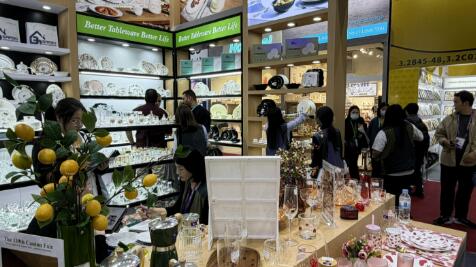
Step into Garbo’s 7th floor and experience the strength of a 30-year-old glass brand
-

Lion Dance Bestowing Blessings: Greetings from Garbo Flatware Factory
-

-
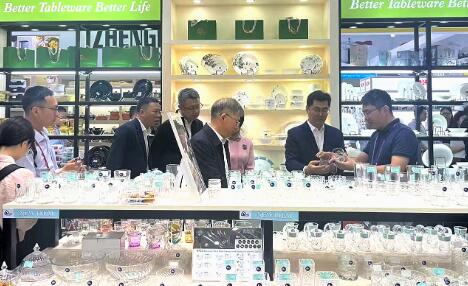
The Mayor of Guangzhou Visits Our Booth at the 136th Canton Fair