

Handcrafted VS Mass-Produced Glassware: Which Actually Sells Better in Global Markets
Pulished on Jan. 17, 2026


In the procurement of glass products, many people often encounter the same judgment dilemma: Hand-blown glass looks more distinctive, but industrial glass is more stable and sells better. Which one is more suitable for their market? If this question is not clarified at the beginning, it is very likely that problems such as price disagreement, inability to keep up with replenishments, or slow inventory turnover will arise later. Understanding the real roles of these two products in the market is actually more important than discussing the techniques themselves.
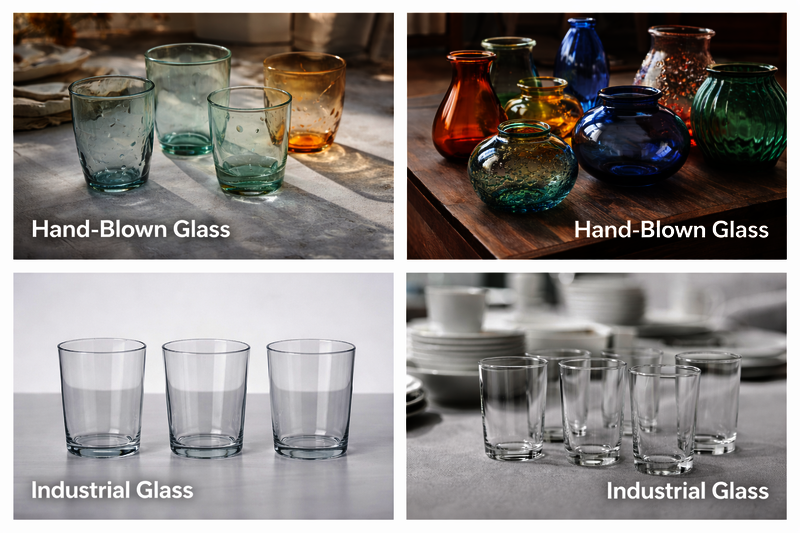
Let's start with hand-blown glass. Its most distinctive feature is not the shape, but the "incompleteness of sameness". Each batch of products will have minor differences, which is often a drawback in the daily use market, but it becomes a selling point in specific markets. Many high-end home stores, designer projects or boutique hotels choose hand-blown glass not because it is more practical, but because it looks warm and varied, suitable for small batch purchases and high-priced sales. These products usually do not pursue frequent restocking, but rather focus more on the display effect and the matching of the overall style of the project.However, it should be noted that hand-blown glass is not suitable for all procurement scenarios. When the order quantity increases or continuous supply is required, the stability of the manual process becomes an issue. Variations between batches, uncertainties in delivery dates, and the high unit cost all amplify the procurement risks. Therefore, in markets where long-term sales or rapid turnover are required, such products often cannot play a leading role.
Let's take industrial glass for example. The core advantage of industrial production lies in stability and replicability. Through machine blowing or mold forming, the differences in size, thickness and appearance of the products are controlled within a relatively small range, making it easier for purchasers to conduct price calculations and inventory planning. For supermarkets, e-commerce platforms, catering and hotel channels, industrial glass means that the same product can be sold for a long time, and replenishment can be done at any time without worrying about significant differences. This is why most daily-use glassware is still produced industrially at present.
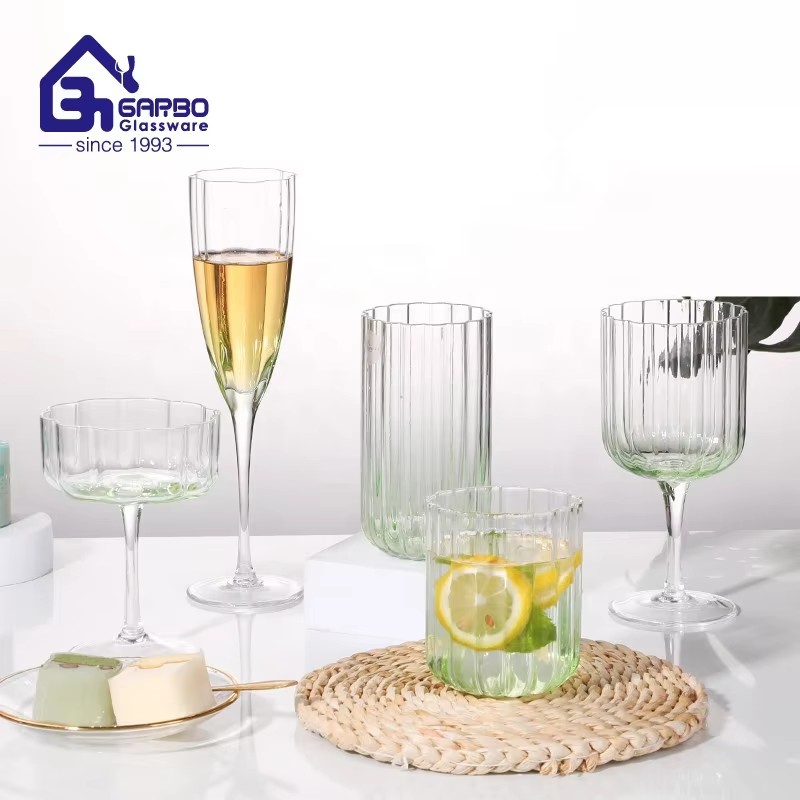
However, industrial glass is not without its limitations. Excessive standardization can lead to product homogeneity. If only basic transparent models are produced, it is easy to fall into price competition. Therefore, some purchasers have begun to incorporate color, texture, or variation in packaging in industrial production, so that the products can maintain a stable supply while not appearing so ordinary. This approach is becoming increasingly common in the current market and is more in line with the actual sales rhythm.
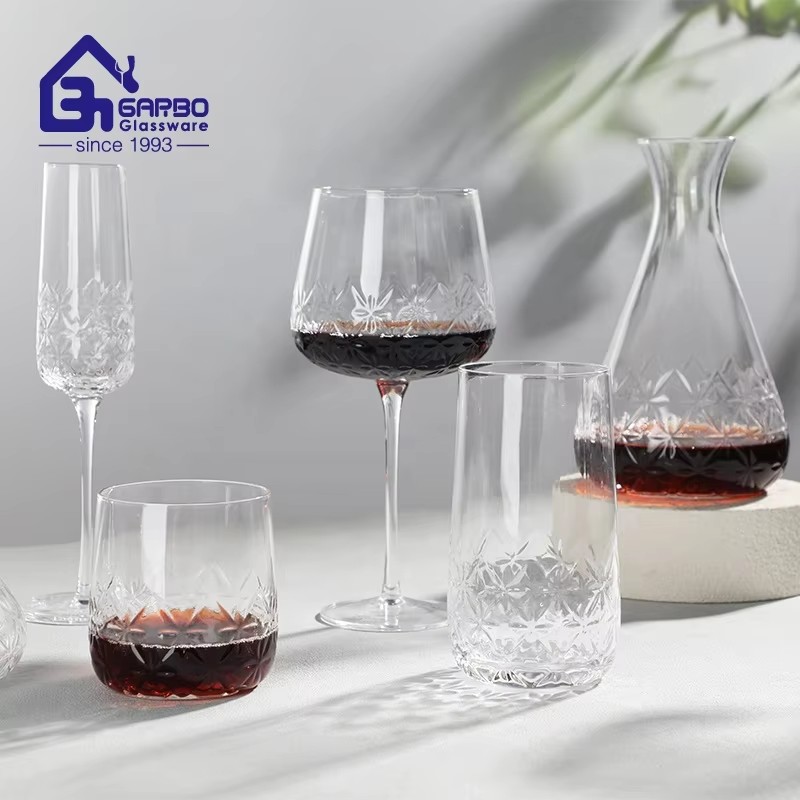
Overall, the current market is no longer a simple choice between "handmade or industrial". More and more buyers, in their actual operations, will use industrial glass as the main product to ensure delivery and turnover, and then use a small amount of products with a handmade touch or special designs as supplements to enhance the overall image or increase the price. This combination approach not only controls risks but also retains the space for differentiation.
Returning to the original question, which type of glass - hand-blown glass or industrial glass - has a greater market opportunity? The answer does not depend on the process itself, but on your sales channels and procurement goals. As long as the right application is used, both products can demonstrate their value; however, if used in the wrong context, even the best product will turn into inventory pressure. For busy purchasers, what truly matters is not which process to choose, but selecting a solution that is more suitable for the current market rhythm.


-
-
-

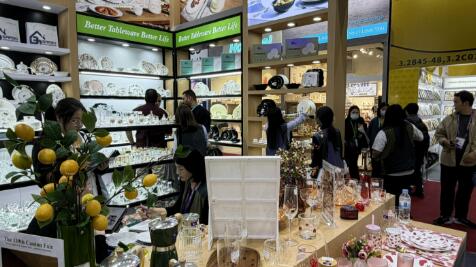
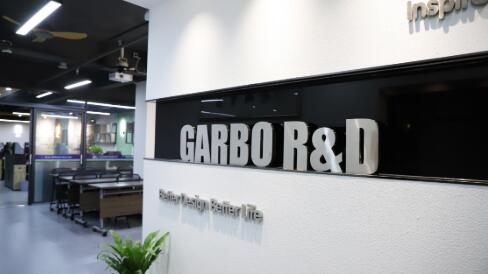
Step into Garbo’s 7th floor and experience the strength of a 30-year-old glass brand
-

Lion Dance Bestowing Blessings: Greetings from Garbo Flatware Factory
-
-
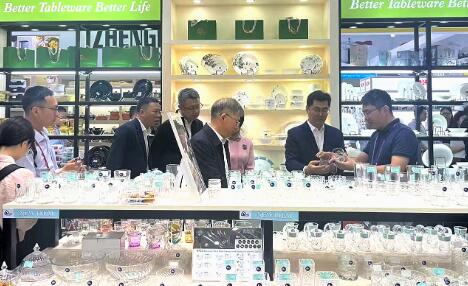
The Mayor of Guangzhou Visits Our Booth at the 136th Canton Fair