

How Handmade Glass Cups Are Made Step by Step
Pulished on Jul. 06, 2026


When many people see a handmade glass cup, their first reaction is: "Why is this glass cup more expensive than ordinary ones?" In fact, the price difference is not due to the glass itself, but to the production method. Machines can produce thousands or even tens of thousands of glass cups in a day, but handmade glass cups require workers to complete each step one by one. From material selection, blowing, shaping, to annealing and inspection, every stage involves manual operation. Therefore, for the same glass cup, the production time and labor cost will be completely different.
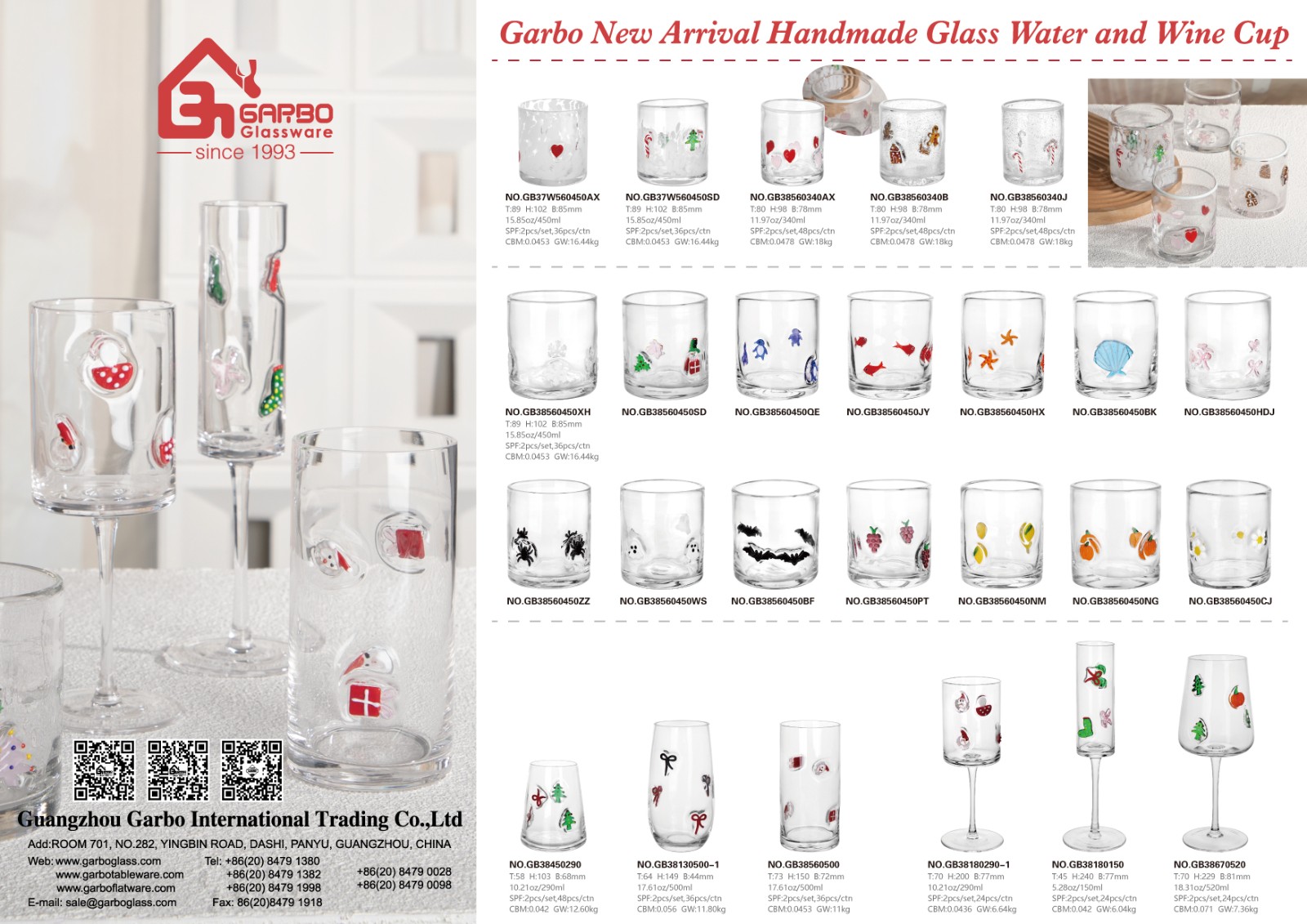
1.Heating the glass into a liquid state
Handmade glass cups usually use high borosilicate glass tubes or rods as raw materials. During production, workers first place the glass under a flame for heating. The flame temperature can typically reach 1200°C to 1700°C. After the glass gradually becomes soft, the next processing step can begin. During this stage, workers need to keep rotating the glass. If they stop, the glass will sag due to gravity and the shape of the cup will also change. Many simple straight cups may seem simple to make, but in fact, this stage already determines the final size and thickness.
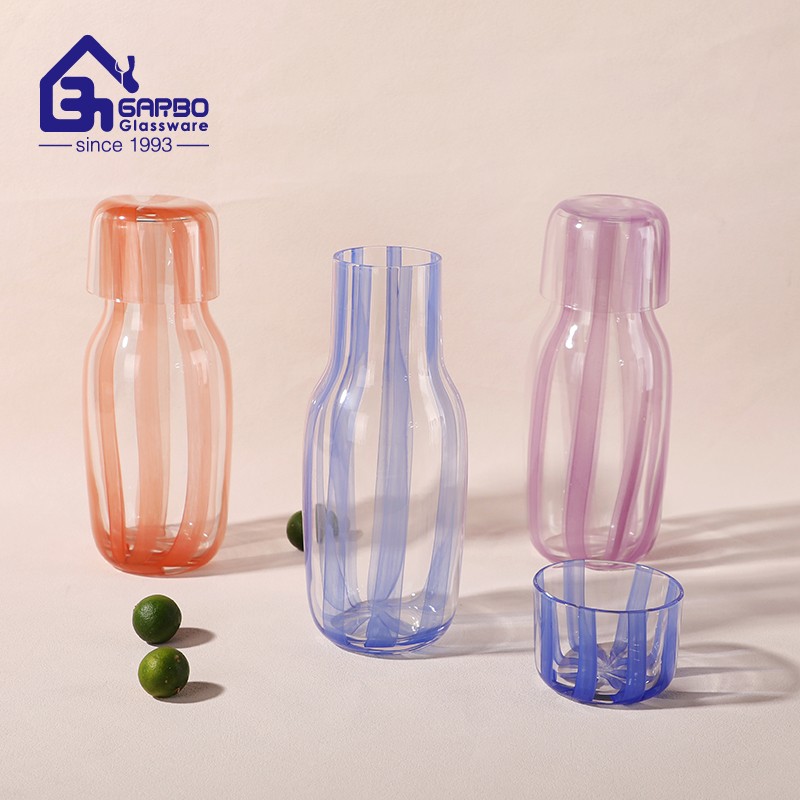
2.When the glass became soft, the workers began to blow the cup shape
When the glass reaches the appropriate temperature, the workers will use a blowing tube to slowly blow air into the glass. The air should not be blown too fast or too slow. If blown too fast, the cup wall is likely to become thinner. If you blow too slowly, the cup might not be able to open. Therefore, an experienced master usually rotates the glass while adjusting the blowing speed, ensuring that the entire cup wall remains as uniform as possible. This is why, for the same handmade cups, the stability of the products produced by different factories can vary.
3.The cup mouth, cup bottom and cup handle all need to be processed separately
Many buyers assume that a glass can be made completely in one go. Actually, it isn't. For most handmade glass cups, after the body is made, further processing is still required. If the product has a handle, the workers need to heat a section of glass separately and then weld the handle onto the body of the cup one piece at a time. If the product has a double-layer structure, the second layer of glass needs to be blown separately, and then the two layers of glass need to be joined together. If the product has a cup lid, a straw hole or any other special shape, it also needs to be reheated and then undergo manual processing. The more complex the product is, the more processes it requires.
4.Annealing treatment
Many people think that once the glass is made, it can be packaged.
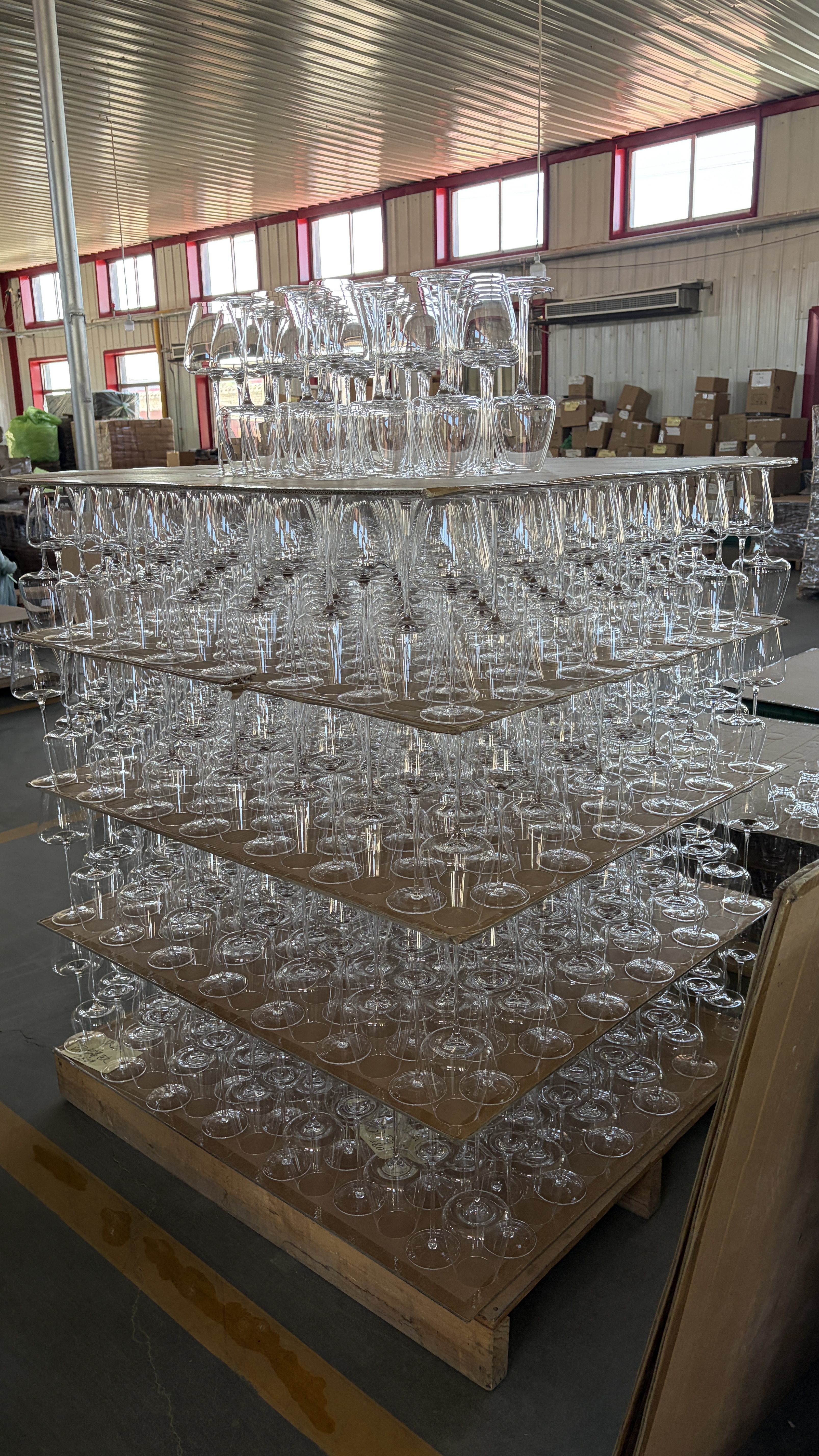
In fact, there is still a very important step missing. After the glass is formed, it will enter the annealing furnace and slowly cool down. The purpose of annealing is to release the stress inside the glass. If the cooling speed is too fast, stress will remain inside the glass. Although the appearance of the product seems fine, it is more likely to crack during transportation or use. The annealing time varies for different products. Thicker glass requires a longer annealing time. Double-layer glass, due to its more complex structure, requires higher standards for the annealing process.
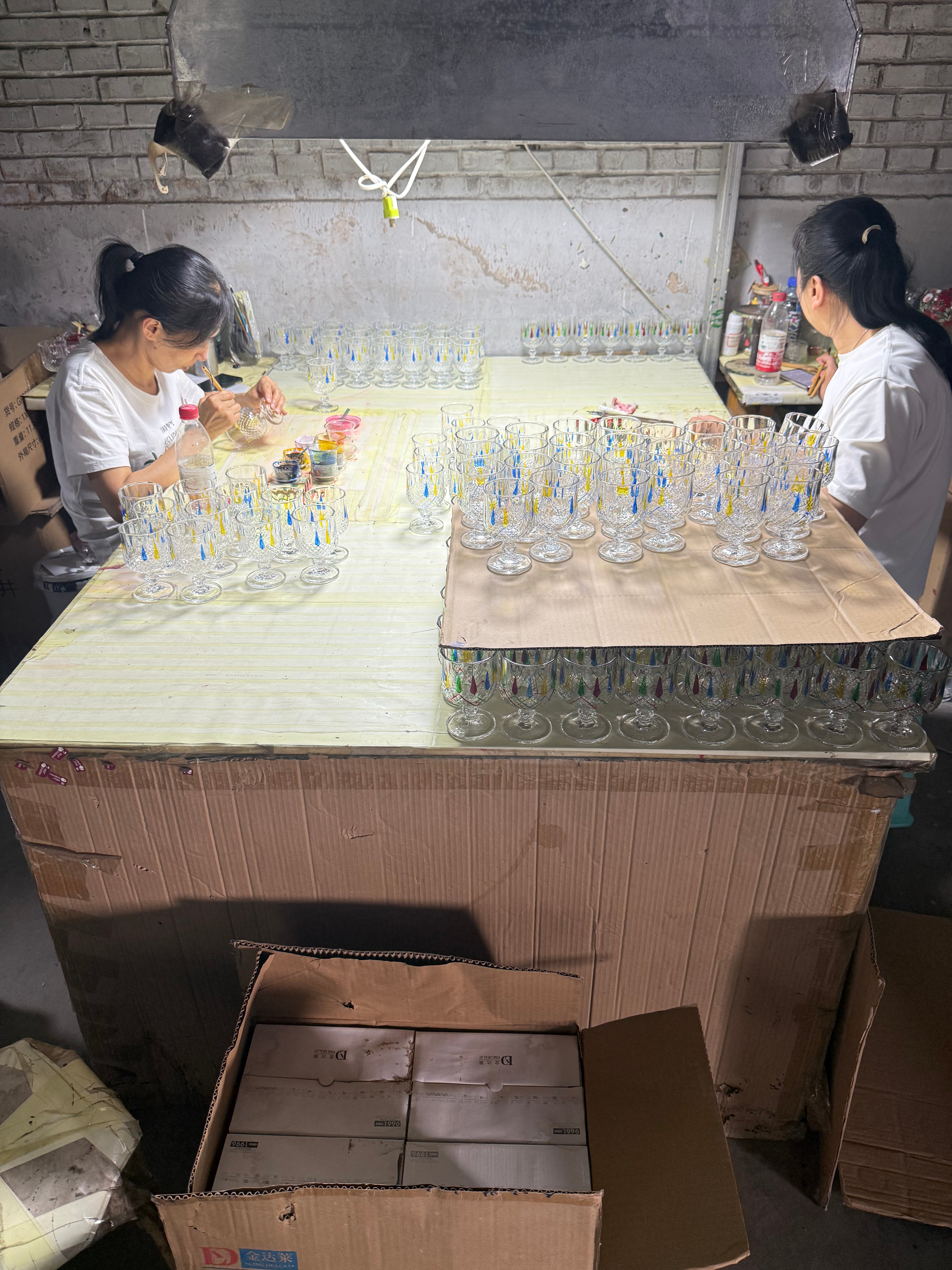
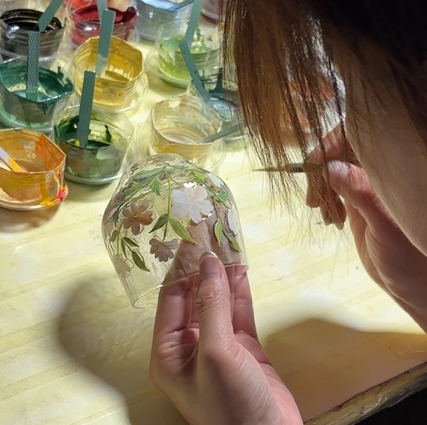
5.Before packaging, each handmade glass cup will undergo a manual inspection
Workers will check if the cup mouth is smooth, if the bottom is stable, and if there are any bubbles, black spots or obvious scratches inside the glass. If the customer has size requirements, they will also sample measure the height, diameter and weight of the product. For export orders, we will also check the packaging method according to the customer's requirements to ensure that the product can meet long-distance transportation needs. Although these tasks may seem relatively simple, they are extremely important for reducing post-sale issues.


-
-
-

Step into Garbo’s 7th floor and experience the strength of a 30-year-old glass brand
-

Lion Dance Bestowing Blessings: Greetings from Garbo Flatware Factory
-

-
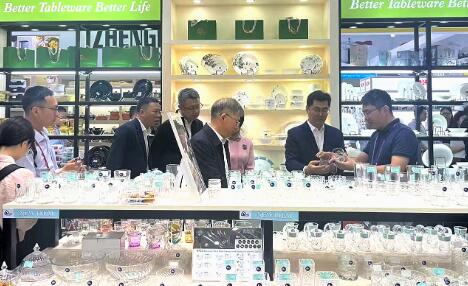
The Mayor of Guangzhou Visits Our Booth at the 136th Canton Fair