

How to Import Opal Glassware into Egypt in 2026: A Practical Guide to ACI, CargoX and GOEIC Requirements
Pulished on May. 15, 2026


Egypt continues to be one of the key markets for opal glassware, especially for dinner sets, plates, bowls, mugs, and household tableware. However, importing products into Egypt is not always straightforward. Buyers need to understand local customs procedures, document requirements, and compliance regulations before shipment.
For Egyptian importers of opal glassware, the two most important systems to understand are ACI (Advance Cargo Information) and GOEIC-related compliance requirements. Missing documents or incorrect information can lead to customs delays, additional costs, or even shipment rejection.
This guide explains the import process in a simple and practical way to help Egyptian buyers and overseas suppliers avoid common problems.
Quick Checklist for Importing Opal Glassware into Egypt
Before shipment, make sure the following items are prepared:
Valid ACID Number
CargoX document submission completed
Commercial Invoice with ACID number
Packing List
Bill of Lading (B/L)
Certificate of Origin
Product specifications or testing reports (if required)
GOEIC-related documents (depending on product category and importer requirements)
1. Understanding Egypt’s ACI System for Opal Glassware Imports
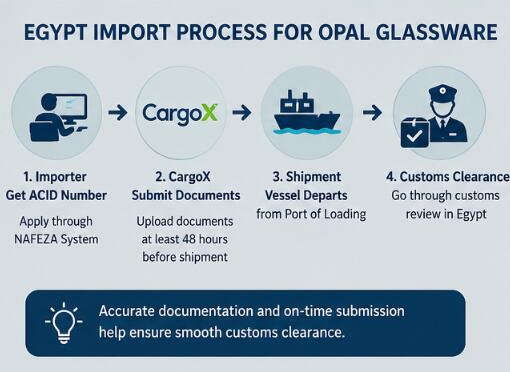
Egypt’s Advance Cargo Information (ACI) system has become an essential part of the import process. The system was introduced to improve customs efficiency and reduce clearance risks by requiring shipment information to be submitted before cargo arrives in Egypt.
For opal glassware importers, understanding ACI is extremely important because missing or incorrect information may delay customs clearance.
1.1 What Is an ACID Number?
Every shipment to Egypt requires an ACID (Advance Cargo Information Declaration) number.
This is a 19-digit reference number generated by the Egyptian importer through the NAFEZA system before shipment.
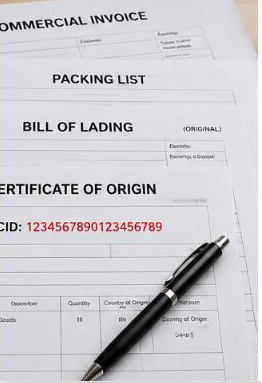
Once issued, the ACID number must be clearly shown on key shipping documents, including:
· Commercial Invoice (CI)
· Packing List (PL)
· Bill of Lading (B/L)
Without a valid ACID number, shipments may face customs clearance issues, delays, penalties, or return-to-origin risks.

1.2 CargoX Submission Requirements
Egyptian customs requires shipment documents to be uploaded electronically through the CargoX platform before departure.
In most cases, shipping documents should be submitted at least 48 hours before vessel departure.
Documents commonly uploaded include:
· Commercial Invoice
· Packing List
· Bill of Lading draft
· Certificate of Origin
· Other supporting shipping documents if required
For opal glassware shipments, product descriptions should be clear and specific. Instead of using general wording like:
“Glass products”
it is better to describe the cargo as:
“White Opal Glass Dinnerware Set”
“Opal Glass Plate and Bowl Set”
“Household Opal Glassware”
Accurate descriptions help reduce customs questions and inspection risks.
1.3 Exporter Registration on CargoX
Foreign suppliers exporting to Egypt are usually required to register on CargoX and connect with Egyptian importers.
This process allows documents to be exchanged securely and helps ensure smoother customs processing.
For suppliers who are new to the Egyptian market, learning how CargoX works before shipment can save considerable time and avoid unnecessary delays.
2. Understanding GOEIC Requirements for Opal Glassware
The General Organization for Export and Import Control (GOEIC) is responsible for supervising product compliance and import quality standards in Egypt.
Depending on the product category, HS code, and importer requirements, certain products may require additional supporting documents or compliance procedures.
2.1 Factory Qualification and Quality Standards
For tableware products such as opal glass dinner sets, Egyptian buyers often pay close attention to factory qualifications and quality systems.
In many cases, suppliers are expected to have:
· ISO 9001 quality management certification
· Factory audit reports
· Product testing records
These documents help buyers demonstrate product consistency and manufacturing reliability.
2.2 Product Testing and Technical Documents
For food-contact products like opal glass tableware, buyers may request supporting test reports to confirm product safety and quality.
Common documents include:
· Food-contact safety test reports
· Lead and cadmium release test reports
· FDA or LFGB compliance documents
· Thermal shock resistance testing (if applicable)
· Product specifications
Requirements may vary depending on the importer and shipment type, so confirming documentation requirements before production is always recommended.
3. Essential Documents for Smooth Customs Clearance
Preparing accurate shipping documents is one of the most important steps for successful customs clearance in Egypt.
For opal glassware shipments, buyers generally need the following:
Commercial Invoice (CI)
The invoice should clearly state:
· Product description
· Quantity
· Unit price and total value
· ACID number
Any inconsistency between invoice information and shipment details may lead to customs review.
Packing List (PL)
The packing list should include:
· Carton quantities
· Packaging details
· Gross and net weight
· Carton dimensions
Accurate packing information is especially important for fragile products like opal glassware.
Bill of Lading (B/L)
The Bill of Lading acts as proof of shipment ownership and transportation details.
The ACID number should also appear clearly on the B/L.
Certificate of Origin (CO)
The Certificate of Origin confirms the manufacturing country of the products and may be required for customs purposes.
Product Testing Reports
Depending on buyer requirements, laboratory testing reports or third-party inspection certificates from companies such as SGS or Intertek may also be requested.
These reports help confirm product quality and compliance with agreed standards.
 Common Mistakes That Cause Delays in Egypt
Many import delays happen because of avoidable document mistakes.
Here are some common issues:
· Missing ACID number on shipping documents
· Incorrect product descriptions
· Late CargoX document submission
· Mismatch between invoice and packing list information
· Missing testing reports requested by the importer
Checking all documents carefully before shipment can save both time and additional port charges.
Why Experience in the Egyptian Market Matters
Egypt has its own import procedures and documentation practices, and requirements may change from time to time.
Working with suppliers who already have experience shipping to Egypt often helps reduce communication problems and customs risks.
At GUANGZHOU GARBO INTERNATIONAL TRADING CO., LTD., we have more than 10 years of export experience in the Egyptian market and are familiar with packaging, documentation, and shipping requirements for opal glassware. We also understand local buyer expectations and compliance procedures for white opal glass products.
If you have questions regarding ACI, CargoX, packaging, or shipment preparation for Egypt, feel free to contact us.
Email: [email protected]
Wechat / WhatsApp: +86 19076192460
Frequently Asked Questions (FAQ)
Q1: Is an ACID number mandatory for opal glassware shipments to Egypt?
Yes. A valid ACID number is required before shipment and should appear on major shipping documents, including the invoice, packing list, and bill of lading.
Q2: What happens if shipment documents are uploaded late to CargoX?
Late document submission may lead to customs delays, additional storage costs, or shipment clearance issues.
Q3: Does opal glassware require GOEIC approval?
Requirements may vary depending on product category, importer type, and local regulations. Buyers should confirm requirements with their customs broker or importer before shipment.
Q4: What product tests are commonly requested for opal glassware?
Food-contact safety reports, lead and cadmium release testing, FDA or LFGB compliance reports, and thermal shock testing are commonly requested depending on the product type.
Q5: How can suppliers avoid customs problems in Egypt?
The best approach is to prepare documents carefully, confirm ACID details in advance, submit CargoX files on time, and work with experienced shipping partners familiar with Egyptian procedures.
Final Thoughts
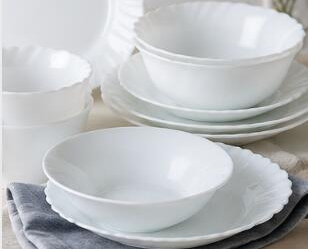
Importing opal glassware into Egypt can be smooth and efficient when the right preparation is done in advance. Understanding ACI requirements, preparing accurate documents, and confirming compliance expectations early can help buyers avoid unnecessary customs issues and additional costs.
For importers, choosing an experienced supplier who understands the Egyptian market can make the process much easier and more reliable.


-

-

-

Step into Garbo’s 7th floor and experience the strength of a 30-year-old glass brand
-

Lion Dance Bestowing Blessings: Greetings from Garbo Flatware Factory
-
-
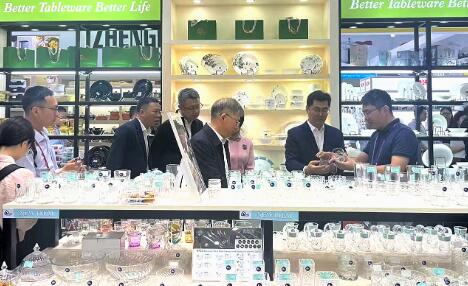
The Mayor of Guangzhou Visits Our Booth at the 136th Canton Fair