

Top 5 Opal Glassware Trends in Egypt: From Ramadan Specials to Modern Gold Rims
Pulished on Jun. 08, 2026


The Egyptian market for opal glassware is active and dynamic which is influenced by a rich cultural heritage and a growing appreciation for the modern design. For market, durability and affordability remain key drivers, local aesthetic preferences, particularly for festivals like Ramadan and Eid, which significantly shape consumer demand. For suppliers, to understand these nuanced trends is necessary to provide the products that relative with Egyptian buyers and stand out in a competitive landscape. This article explores the top five aesthetic as well as localization trends in Egypt opal dinnerware, helping manufacturers and importers to align their offerings with local tastes.
1. The Enduring Charming of Gold and Silver Rims
Gold and silver decorations have been synonymous with luxury and celebration in the culture of Egypt. This culture trend extends strongly tableware, , with metal rims enhancing the perceived value and festive atmosphere of milky glass.
• Timeless Elegance: Gold and silver trim adds a touch of sophistication, making everyday milky glass suitable for special occasions and gifting.
• Versatility: These metallic accents complement a variety of table settings, from traditional to modern, making it a timeless favorite.
• Market Demand: Products with delicate gold and silver details continue to perform well, especially in city centers such as Cairo and Alexandria.
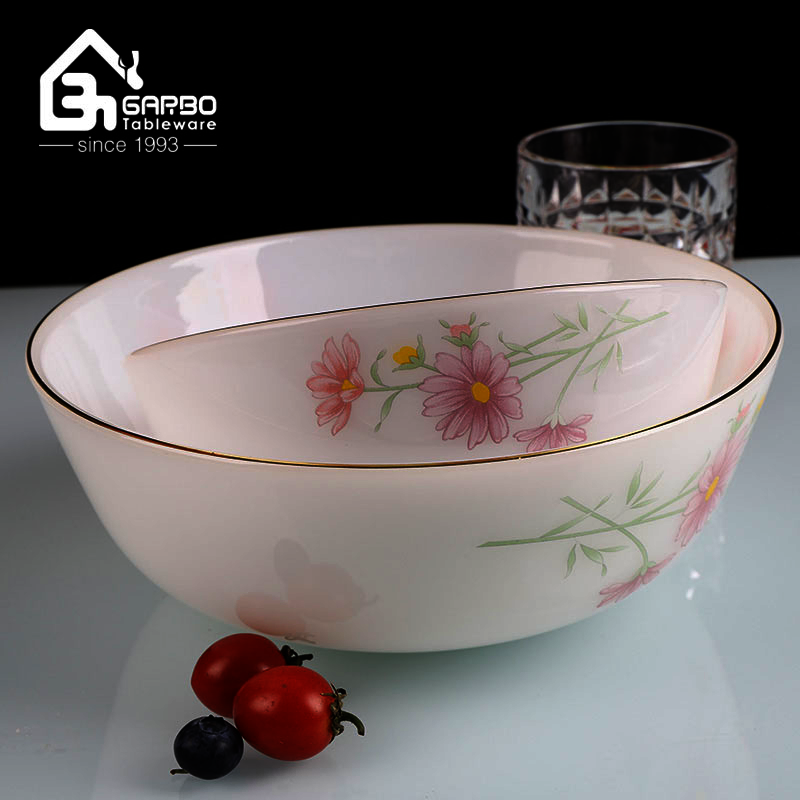
2. Cultural Patterns: Floral Patterns and Geometric Designs
Egyptian design is deeply rooted in Islamic art and traditional patterns. Incorporating these elements into opal glass tableware allows for a close connection with local consumers.
• Floral Elegance: Exquisite and intricate floral motifs—often drawn from local flora or traditional embroidery techniques—infuse the dining table with a touch of natural beauty and a deep sense of cultural heritage.
• Geometric Precision: Complex and sophisticated geometric patterns, evocative of Islamic mosaic art, create an aesthetic ambiance that is both elegant and culturally resonant. These designs are typically characterized by symmetrical layouts and repeating motifs.
• Color Palettes: While classic milky-white glassware remains widely popular, styles incorporating soft blues, greens, and earth tones are often preferred; these color combinations not only mirror the natural landscape but also echo traditional decorative aesthetics.
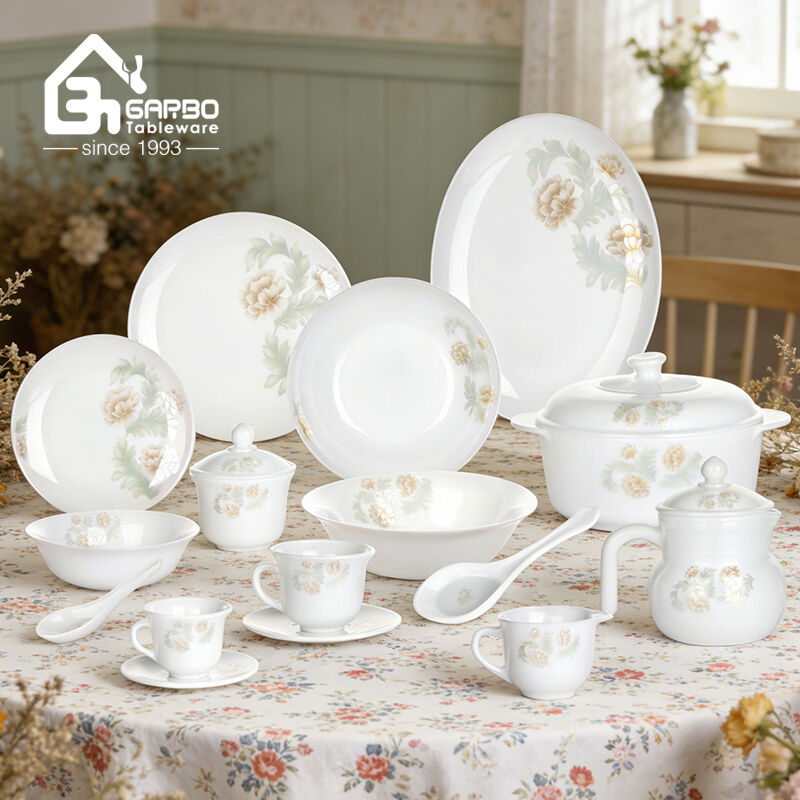
3. Blending Functionality and Tradition: Deep Bowls and Large Trays
Egyptian dining traditions often feature communal meals and generous portion sizes, rendering specific shapes and dimensions of tableware indispensable. Suppliers capable of meeting these functional requirements while simultaneously ensuring aesthetic appeal will gain a significant competitive advantage.
• Deep Plates for Stews and Rice: Deep plates are the ideal choice for serving traditional Egyptian dishes—such as *molokhia* (jute leaf soup), *koshary*, and various stews—as these dishes are typically broth-based or specifically prepared to be enjoyed alongside rice.
• Large Platters for Appetizers and Main Courses: At family gatherings and banquets, large platters are essential for presenting *mezze* (appetizers) and main dishes; they help foster a dining atmosphere where hosts and guests share food together.
• Serving Bowls: : Ranging from delicate small dishes for condiments to large, deep bowls for tossing salads, this diverse collection of bowls constitutes an indispensable and integral part of the Egyptian dining experience.
4.Ramadan & Eid Special: Seasonal Considerations in Holiday Design
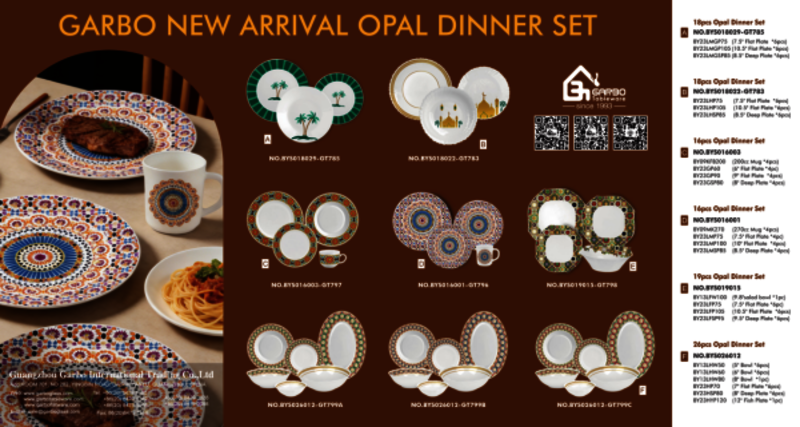
Ramadan and Eid al-Fitr mark the peak season for tableware procurement in Egypt. Consumers actively seek out distinctive designs that capture the festive atmosphere and cultural significance of these holidays.
• Thematic Design: During this period, tableware sets adorned with motifs such as crescent moons, stars, lanterns (*fawanis*), or calligraphic blessings are highly sought after.
• Gifting Culture: Sets featuring special packaging—often accented with gold or silver trim—serve as highly popular gifts, thereby driving market demand for unique and high-quality designs.
• Color Palette: During the festive season, rich jewel tones paired with classic white and gold color schemes are particularly popular, symbolizing celebration and abundance.
5. Customization and OEM Services: Catering to Local Tastes
Given strong local preferences, offering customization and OEM and ODM services has emerged as a key differentiating advantage for suppliers. This enables importers to develop unique product lines that align perfectly with the demands of the Egyptian market.
• Pattern Development: Collaborate with local designers—or draw upon market feedback—to design and produce custom patterns and decals.
• Form and Size Adjustment: Adjust plate depth, tray dimensions, and bowl capacity to align with specific dietary habits.
• Branding and Packaging: Provide customized branding and packaging solutions designed to appeal to local retailers and consumers.
On the whole, opal glassware in Egypt who wants to have a good market should choose the manufacturer who can provide with the OEM & ODM service for opal glassware products.
Garbo is a more than 30 years experience in glassware industry who can offer strong OEM & ODM service for all the glassware products like decal, spraying colors, laser logos and new luster decal, even customize brand box as requirements.
Certification Equipment - Equipped with certification about food safety and quality, our opal glassware has been imported by so many Egyptian customers for many years.
Stock Item for Trial - We can accept customize small bulk of stock item for small MOQ as requirement. Stock Item without post-process can be prepared in 1-2 weeks.
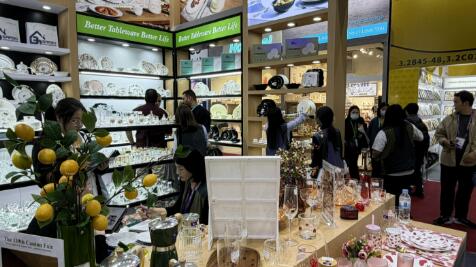
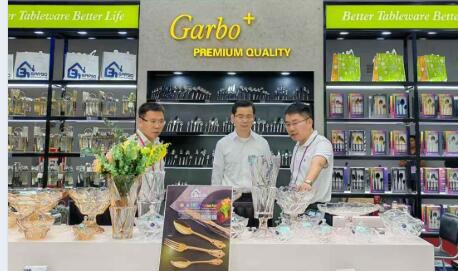
New Decal & Mold Creation - With our own design department, we have detected so many popular designs which are hot sale not only in Egypt but also all over the world. More than 50 molds of glassware designed and showed on Canton Fair every year.
Quality Control & Fast Delivery Time: With the strict inspection of our own Quality Control Department, our mass production are in high quality. Goods are delivered in time as well.
Why not try to have a small trial for your new creative products in Egypt? Or even get some information about hot sale types of Egyptian market?
Feel free to contact us to get more info:
Whatsapp/wechat: +86 19076192460
E-mail: [email protected]
Frequently Asked Questions (FAQ) on Egyptian Opal Glass Tableware Trends
Q1: What are the most popular design elements for opal glassware in Egypt?
A1: The most popular design elements include gold and silver rim accents, traditional floral motifs, and intricate geometric patterns inspired by Islamic art. These elements imbue the tableware with a sense of luxury and deep cultural heritage, making it suitable for both everyday use and various special occasions.
Q2: How do Egyptian dietary habits influence the demand for specific shapes of opal glassware?
A2: Egyptian dietary habits—which typically involve dining together in a group, and where dishes often feature sauces or are served alongside generous portions of rice—drive the demand for deep plates and large serving platters. These specific shapes of tableware are highly practical for traditional Egyptian cuisine and family gatherings.
Q3: Is there a seasonal demand for opal glass tableware in Egyptian market?
A3: Yes, the Egyptian market exhibits a significant seasonal demand, particularly during Ramadan and Eid al-Fitr. Consumers actively seek out complete sets of opal glass tableware featuring festive themes—such as crescent moons, stars, and traditional lantern motifs. These pieces are often accented with gold or silver rims and are specifically intended for use during holiday celebrations and as gifts for family and friends.
Q4: Why is customization crucial for opal glass suppliers targeting the Egyptian market?
A4: Customization is crucial because it enables suppliers to tailor designs, shapes, and dimensions to align with Egypt's unique aesthetic preferences and dietary habits. By offering OEM services, importers can create distinctive product lines that not only resonate deeply with local consumers but also stand out a landscape of commercial products.
Achieving success in the Egyptian opal glass tableware market requires far more than merely offering high-quality products and competitive pricing; it is inextricably linked to an understanding of local culture and an alignment with regional aesthetic preferences. By drawing upon the timeless appeal of metallic accents, incorporating traditional design motifs, accommodating local dining customs, catering to seasonal consumer demands, and providing flexible customization services, suppliers can forge deeper connections with Egyptian consumers. This localization strategy not only facilitates increased market penetration but also fosters enduring brand loyalty within this dynamic and discerning market.
Feel free to contact us to get more info:
Whatsapp/wechat: +86 19076192460
E-mail: [email protected]


-
-
-
Step into Garbo’s 7th floor and experience the strength of a 30-year-old glass brand
-
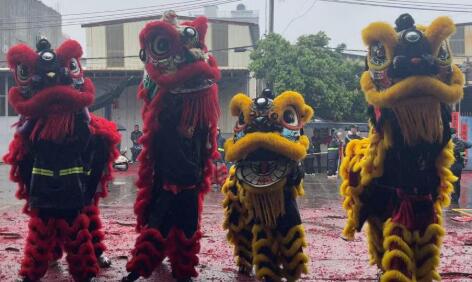
Lion Dance Bestowing Blessings: Greetings from Garbo Flatware Factory
-
-
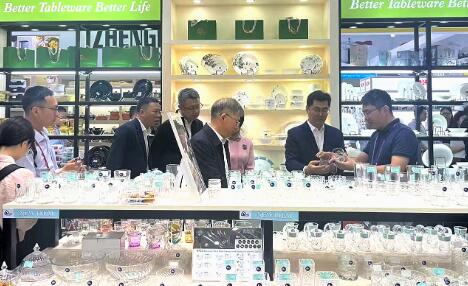
The Mayor of Guangzhou Visits Our Booth at the 136th Canton Fair