

Why Are Certain Types of Glassware Unsuitable for Containing Boiling Water
Pulished on Mar. 26, 2026


Many people encounter such a situation in their daily lives: some glass cups can be filled with boiling water directly, but some others suddenly crack when water is poured into them. Some people even hear a slight noise before discovering that the cups have developed cracks. Many people find this situation quite strange because glass itself needs to be subjected to extremely high temperatures during production. If the glass has already been fired at high temperatures, then why can't some cups hold boiling water?
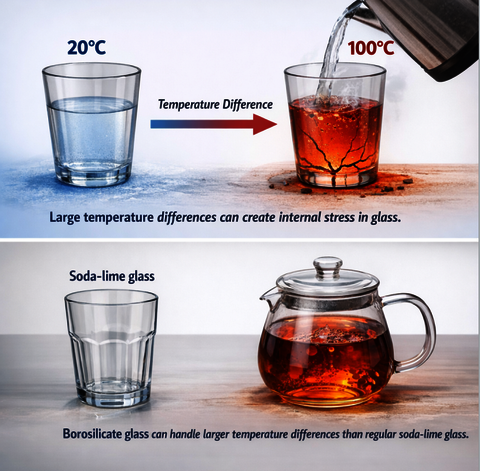
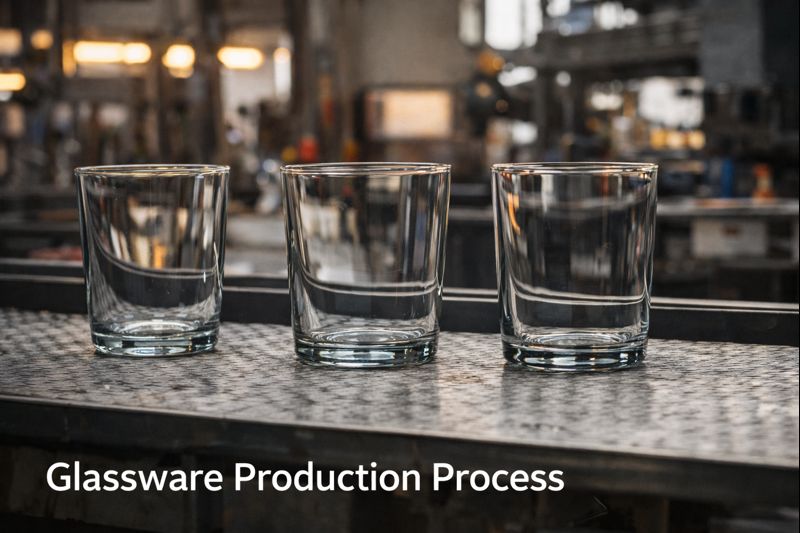
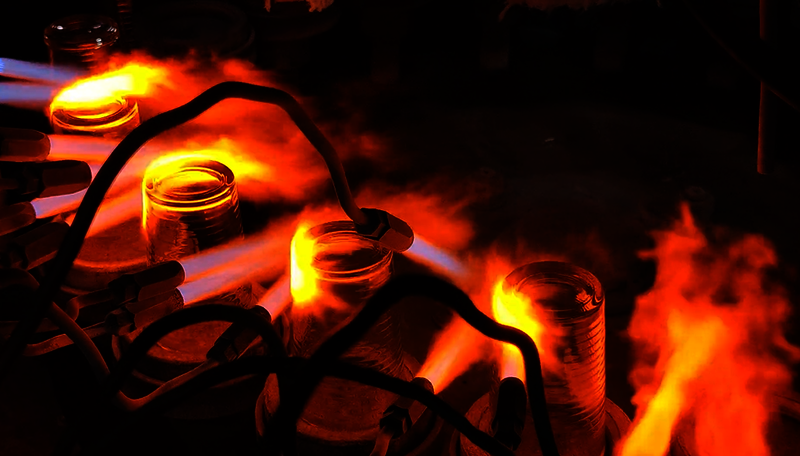
The reason actually lies not in whether the glass can withstand high temperatures, but in whether it can withstand sudden temperature changes. During the production process in the factory, the glass will experience extremely high temperatures. Ordinary sodium calcium glass usually requires temperatures ranging from 1400°C to 1500°C during the melting stage. However, the production equipment will gradually increase the temperature and then gradually decrease it. The entire heating and cooling process usually takes several hours or even longer. Under such an environment, the glass is heated uniformly, so there will be no obvious stress in the material's interior.
The situation during daily use is completely different. For instance, when the room temperature is approximately 20°C, if people directly pour boiling water at 95°C to 100°C into a glass, the inner wall of the glass will rapidly heat up within a few seconds, while the outer wall will still maintain its original temperature. In this case, there will be a significant temperature difference between the inner and outer sides of the glass. The inner side of the glass will start to expand, while the outer side will remain unchanged. The expansion speeds of different parts are different, which will cause stress within the glass.
Ordinary sodium calcium glass can withstand a temperature difference of approximately 40°C to 60°C. If the temperature difference exceeds this range, the stress generated inside the glass may exceed the limit that the material can withstand. When this happens, cracks may appear in the glass cup. Sometimes the cracks will gradually extend along the bottom of the cup, and sometimes the cup may even break directly.
The type of glass material also plays a role in this situation. The most common type of glassware in daily life is usually made of sodium calcium glass. This material has a lower production cost and higher production efficiency, so many daily glass products choose this material. However, this material is relatively sensitive to temperature changes, so it is generally not recommended to directly pour boiling water into ordinary glass cups.
Some glass cups that can be filled directly with boiling water are usually made of high borosilicate glass. This type of glass material has a relatively low thermal expansion coefficient, approximately one-third that of ordinary soda lime glass. High borosilicate glass can typically withstand a temperature difference of around 150°C, so this material is more suitable for use in glass teapots, coffee pots, and laboratory beakers.
The structure of the glass cup also affects its safety. For instance, some glass cups have a thicker bottom or have embossed and textured surfaces on the cup walls. These structures are more prone to local temperature differences when heated. If hot water directly hits the bottom of the cup, the temperature at the bottom will rise faster, while the temperature of the cup wall remains lower. The local temperature changes will concentrate stress in certain areas, and this situation may also cause the glass cup to crack.
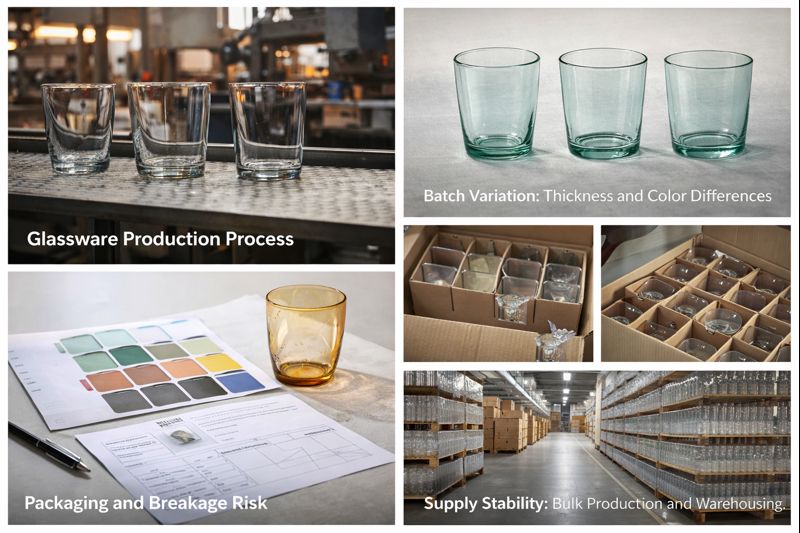
The annealing process in the glass production also affects the quality of the product. After the glass is formed, it needs to enter an "annealing furnace" for slow cooling. The annealing temperature for ordinary household glass is generally around 500°C. The annealing furnace allows the glass to gradually cool down within a certain temperature range, thereby releasing the stress inside the material. If the annealing time is insufficient or the temperature control is unstable, stress may remain inside the glass. Glass with residual stress is more likely to crack when subjected to temperature changes, so a stable production process is very important for glass products.
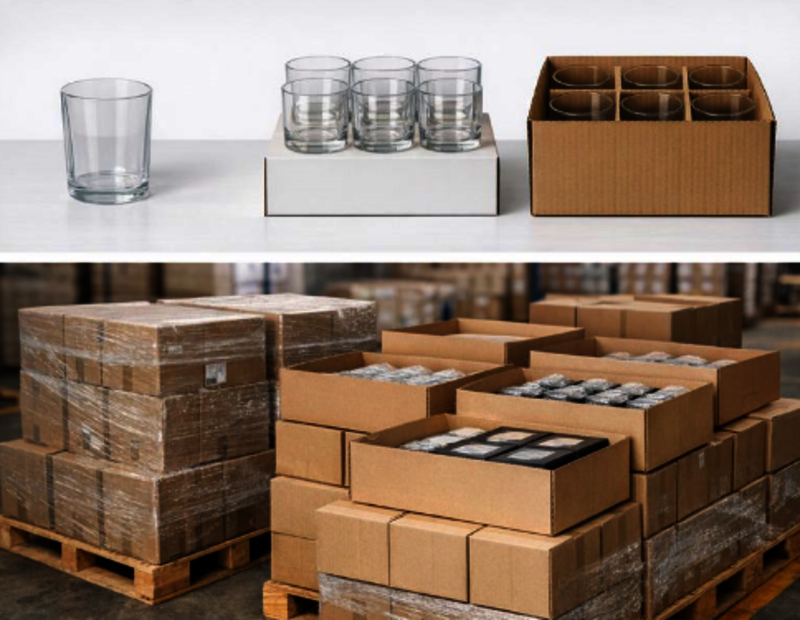
When people use ordinary glass cups in daily life, they can reduce risks through some simple methods. For instance, they can first pour in a small amount of warm water to slightly preheat the cup, and then add hot water. People can also avoid letting boiling water directly hit the bottom of the cup. This way of using can reduce the temperature shock that the glass receives.
If people need to frequently brew tea or make coffee with boiling water, they can choose cups made of high borosilicate glass. This material has a stronger ability to adapt to temperature changes and is more suitable for holding hot water.
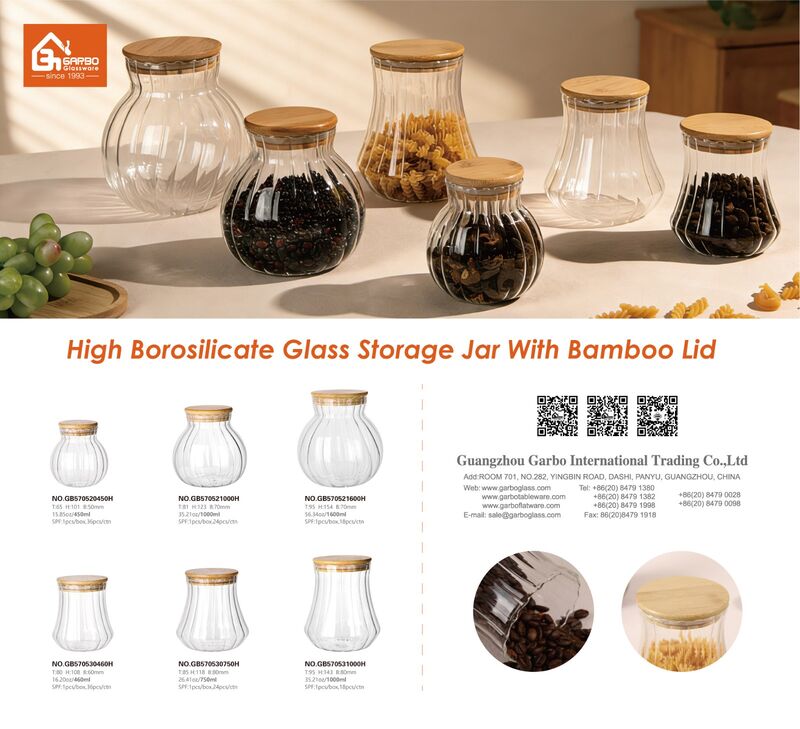
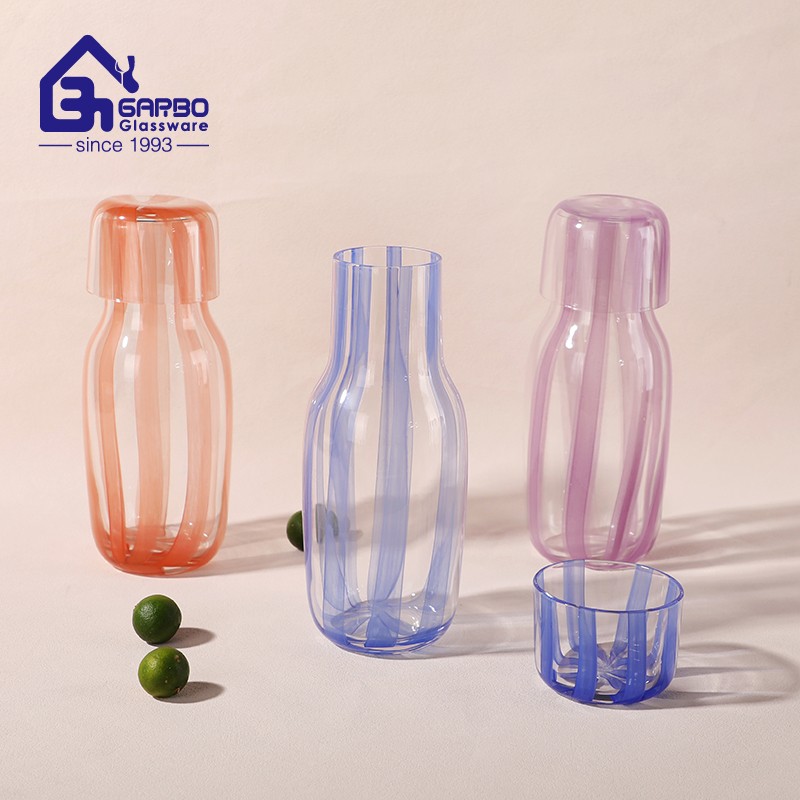
Garbo borosilicate glassware manufacturers has been engaged in the glassware industry for over 30 years. Our team has been involved in the production and export of glass products for a long time, so we are familiar with the characteristics and application scenarios of different glass materials. If customers need products that can be used in ovens or microwave ovens, they can clearly state their specific requirements in advance. If customers need customized packaging or product design, they can also provide us with detailed requirements. Our team will, based on the product usage, sales market, and transportation method, provide customers with more suitable product solutions.


-
-
-
Step into Garbo’s 7th floor and experience the strength of a 30-year-old glass brand
-

Lion Dance Bestowing Blessings: Greetings from Garbo Flatware Factory
-

-

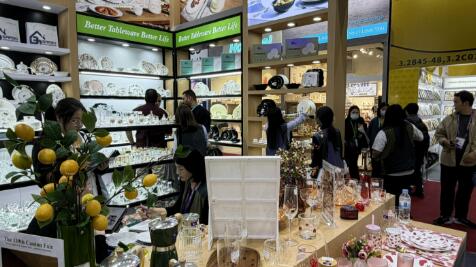
The Mayor of Guangzhou Visits Our Booth at the 136th Canton Fair