

Why Glassware Samples Look Good but Bulk Orders Have Problems
Pulished on Jun. 04, 2026


Many buyers, when ordering glassware for the first time, find the sample stage goes smoothly. The color and dimensions of the samples are normal, and once the customer approves them, the factory begins mass production. However, problems gradually emerge when full-scale production starts. Some products begin to show inconsistent colors, others have unstable weights, and some experience significantly higher breakage rates during shipping. Many people find this puzzling—why do the bulk orders differ from the samples that were perfectly fine?
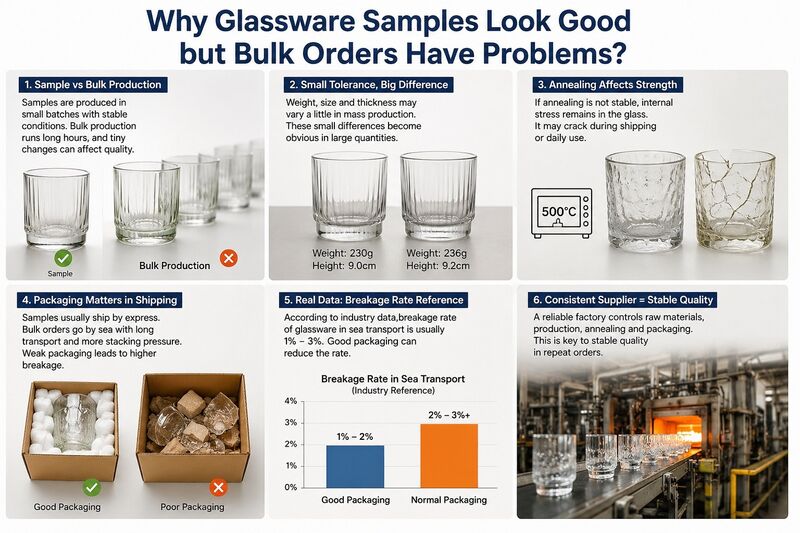
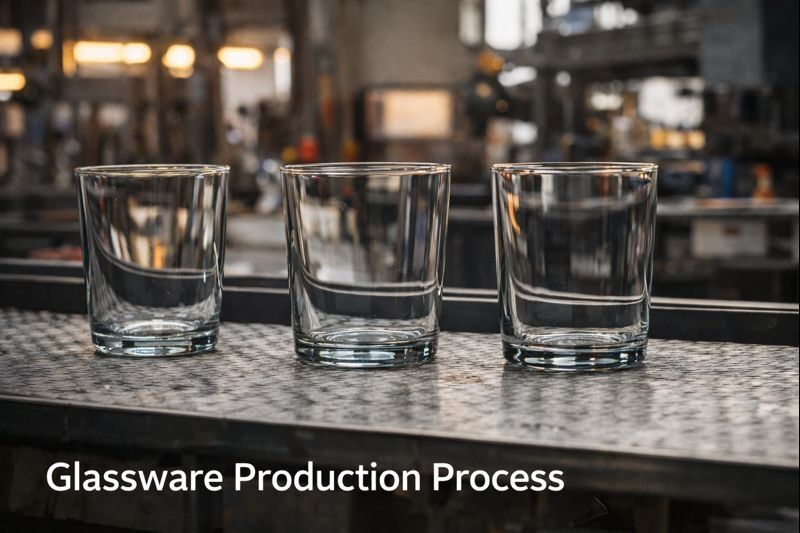
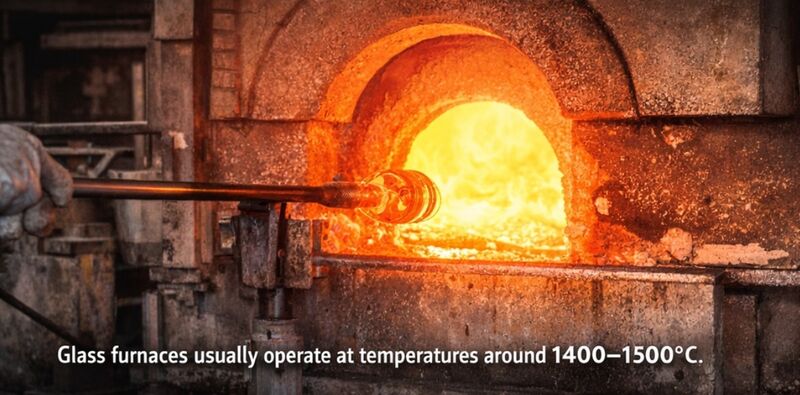
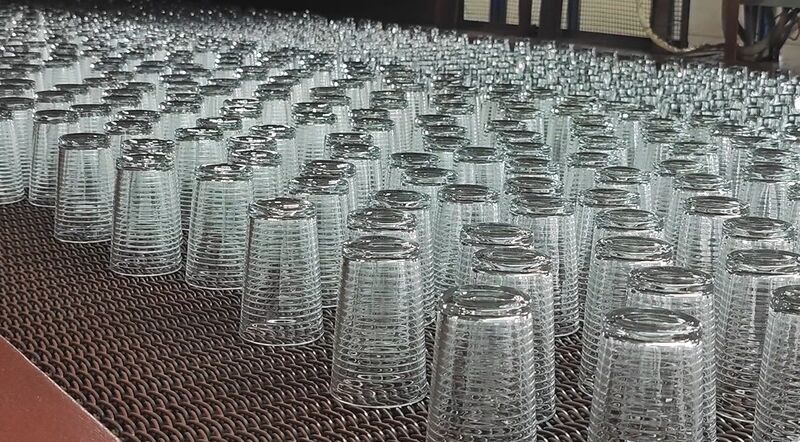
The reason is actually quite simple. In the glass industry, samples and mass production are fundamentally two different manufacturing conditions. Many issues only emerge when production volumes increase. Glass production itself involves continuous high-temperature processes. The melting temperature of standard soda-lime glass typically ranges between 1400°C and 1500°C. During sample production, quantities are small, machine operation times are short, and mold temperatures remain relatively stable, making product control appear easier. However, during mass production, machines may run continuously for dozens of hours or even several days. As a result, the temperature of the molten glass, mold condition, and machine performance gradually change over time. These changes may seem minor under normal circumstances, but when production scales up, the problems become significantly amplified.
Many buyers, when purchasing glass products for the first time, usually focus only on the appearance of the sample. However, those placing long-term orders care more about production consistency. After all, it's impossible for every glass product to be exactly identical. For example, even with the same model of glass cup, there might be a few grams difference in weight, about 1 millimeter variation in rim diameter, or slight differences in wall thickness. These variations are actually quite normal in the glass industry. What truly matters isn't whether there are deviations, but whether these deviations remain consistently stable over time. Experienced buyers typically confirm acceptable tolerances for weight, dimensions, and color differences between batches before finalizing an order—because they understand that the real challenge isn't creating a single sample, but ensuring each subsequent batch remains as consistent as possible.
The annealing process in glass production also directly affects the subsequent quality stability. Many purchasers will inspect the appearance of the products, but few pay attention to annealing. When the glass is initially formed, there is actually stress inside, so after the product is formed, it needs to enter the annealing furnace to cool down slowly. The annealing temperature for ordinary household glass is usually around 500°C. If the annealing time is insufficient or the cooling speed is too fast, stress may remain inside the glass. This problem is usually not noticeable on the production day, but it will start to appear after transportation or after the customer uses it for a period of time. Some products may crack by themselves, some are more prone to shattering when exposed to hot water, and some have a significantly increased breakage rate after shipping. Many glass problems do not occur on the production day, but gradually emerge a few weeks later.
After the change in transportation methods, many problems will start to arise. Many samples are transported by express delivery, but formal orders usually go by sea transportation. These two transportation environments are quite different. The quantity of samples is small, and the pressure between products is not high. But when it comes to formal sea transportation, a container may contain thousands or even tens of thousands of glass cups. During the transportation process, the products will be shaken for a long time and be stacked up and down. Some packaging was completely fine at the sample stage, but the damage rate will immediately increase when it comes to sea transportation. For some ordinary packaging, the damage rate after sea transportation may even exceed 2%. Therefore, many factories that have been exporting for a long time will add paper internal partitions, thick cardboard boxes or pallets for fixation. Although these things will increase a little packaging cost, they can reduce the subsequent after-sales problems.
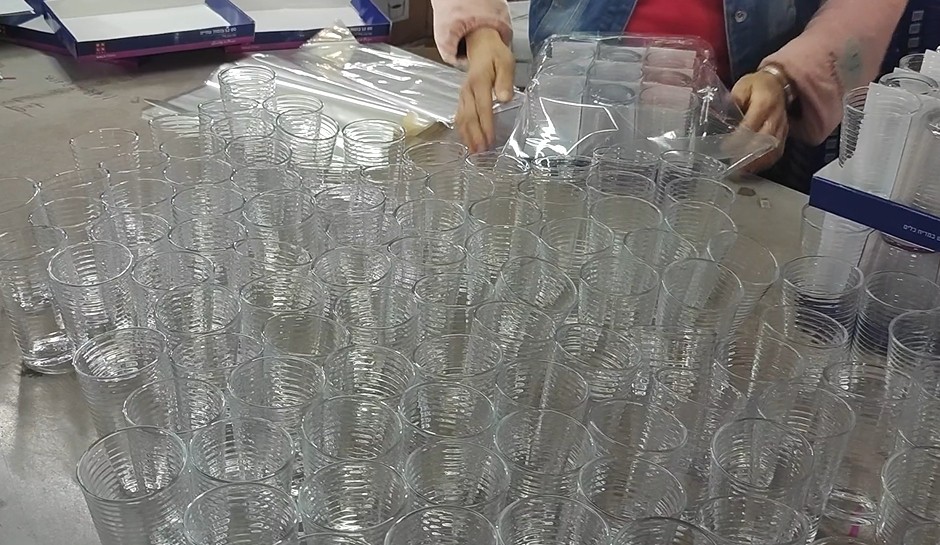
Many problems with the glassware do not arise during the sample stage, but gradually emerge after the actual mass production begins. The larger the order quantity, the more important factors such as production temperature, mold condition, annealing stability, and packaging structure become. Therefore, experienced purchasers usually do not only look at the samples. Experienced purchasers will pay more attention to whether the factory can produce stably in the long term.
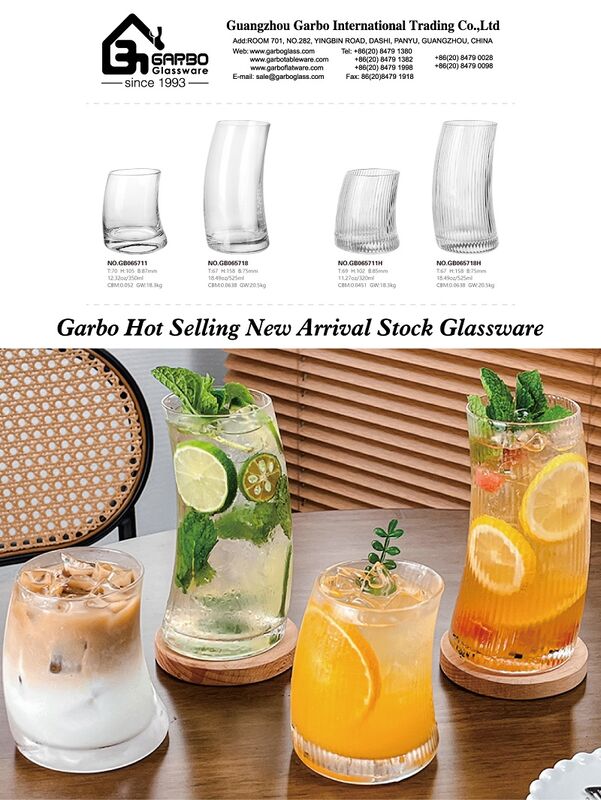
Our company has been engaged in the glassware industry for over 30 years. Our team has been handling export orders for a long time, so we are well aware of the requirements of different markets regarding product stability, consistent replenishment, and transportation packaging. If customers have long-term replenishment needs, customized packaging, or special usage requirements, they can communicate with us in advance. Our team will help customers choose a more suitable production plan based on the product type, sales market, and transportation method.


-
-

-

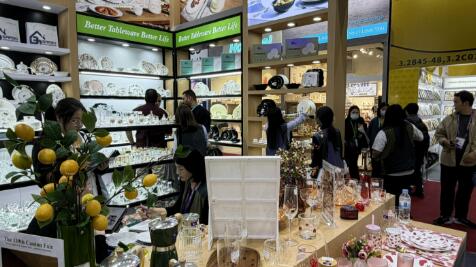
Step into Garbo’s 7th floor and experience the strength of a 30-year-old glass brand
-

Lion Dance Bestowing Blessings: Greetings from Garbo Flatware Factory
-

-
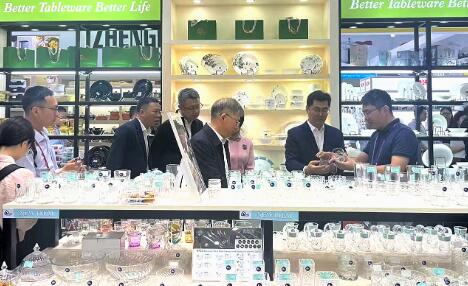
The Mayor of Guangzhou Visits Our Booth at the 136th Canton Fair