

How Can Established Buyers Reduce Risks In Large-Scale Orders for Glassware
Pulished on Feb. 06, 2026


Ordering large quantities of glassware is a completely different matter from placing a trial order. Once the quantity is increased, even minor issues that seemed insignificant before will be magnified many times. Among the orders we have dealt with, approximately 60% - 70% of the problems do not arise during the sample stage, but are discovered only after mass production or shipment. The differences that seem acceptable during the sample stage may turn into complaints, delays, or even direct losses after mass production. Truly experienced buyers do not rely on luck; instead, they change their judgment and decision-making methods before placing large orders.

Why are large orders riskier?
The main risk of glassware wholesale large orders is usually not the design, but the scale. Once production moves into large volumes, small differences in glass thickness, weight, or color become more noticeable. In small-scale trial orders, the damage rate is usually controlled at 0.3% - 0.5%. However, in large quantities and under long-distance transportation conditions, if the packaging is not adjusted, the damage rate can easily rise to 1.5% or even higher. Once shipments involve long-distance transport, unsuitable packaging can directly lead to breakage. And when communication is not smooth, even small confirmations can slow down the entire process. The larger the order, the less room there is to fix problems afterward, which is why large orders must be treated differently, not just as “ordering a few more cartons.”
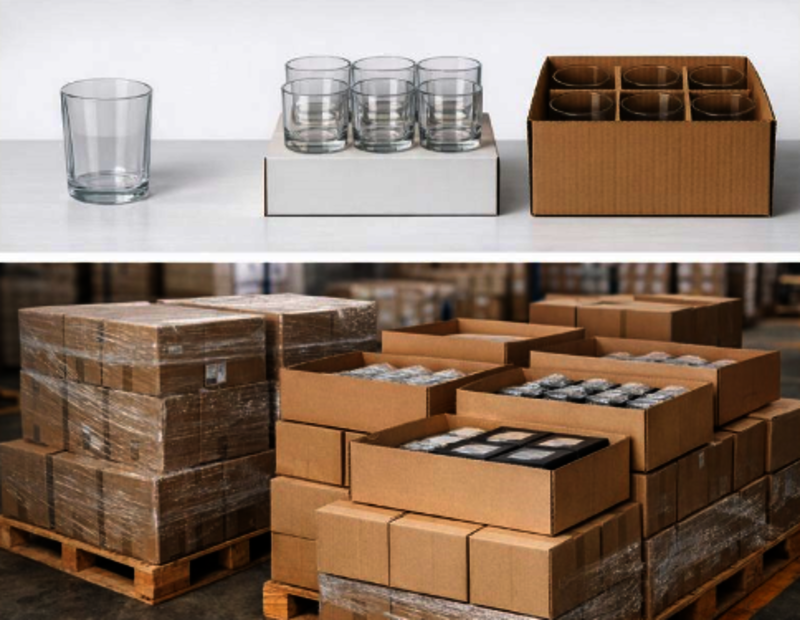
Before the final confirmation of the big order, what exactly will the buyer focus on checking?
Many glassware wholesale buyers can tolerate a ±5% weight variation during the sample stage. However, after production commences, they realize that without clear standards, this difference may be magnified across different batches. Before confirming bulk production, experienced buyers are usually less focused on unit price and more focused on consistency. They do not rely only on samples, but clearly define mass production standards and confirm the acceptable variation between batches. At the same time, they check whether the packaging is suitable for long-distance shipping, instead of assuming standard packaging will be enough. Through these checks, buyers are not asking “Is this order okay?”, but “Will every future order be the same?”
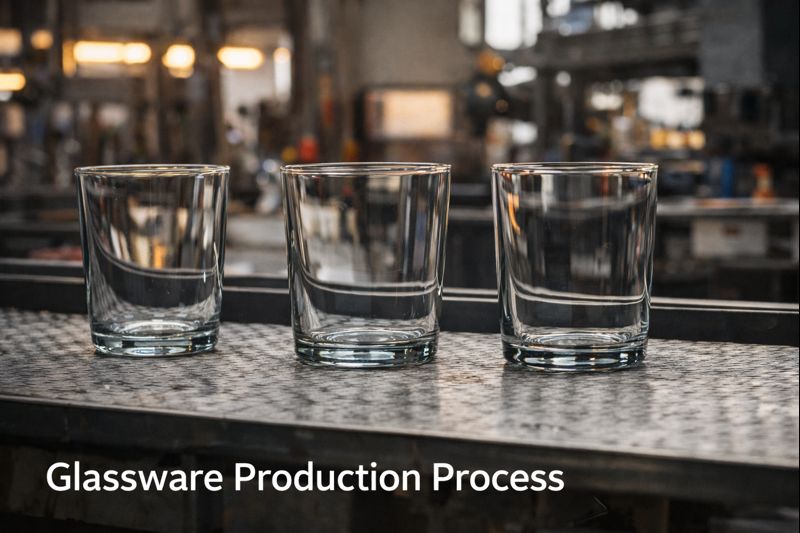
How can buyers control risks during the production and transportation processes?
In actual transportation, merely adjusting the internal partition structure or the weight of the carton can reduce the damage rate from 2% to below 0.8%. Risk control does not end after the order is placed. Experienced buyers will clearly state key issues during the production process, such as acceptable damage rates, color deviation ranges, requirements for outer boxes and inner packaging, and confirm them in writing. At the same time, they will also leave reasonable time for production and inspection, rather than pushing the delivery date too tightly. In the transportation of glass products, the packing method and the strength of the cartons are often more important than the freight cost, because most damages occur after the products leave the factory.
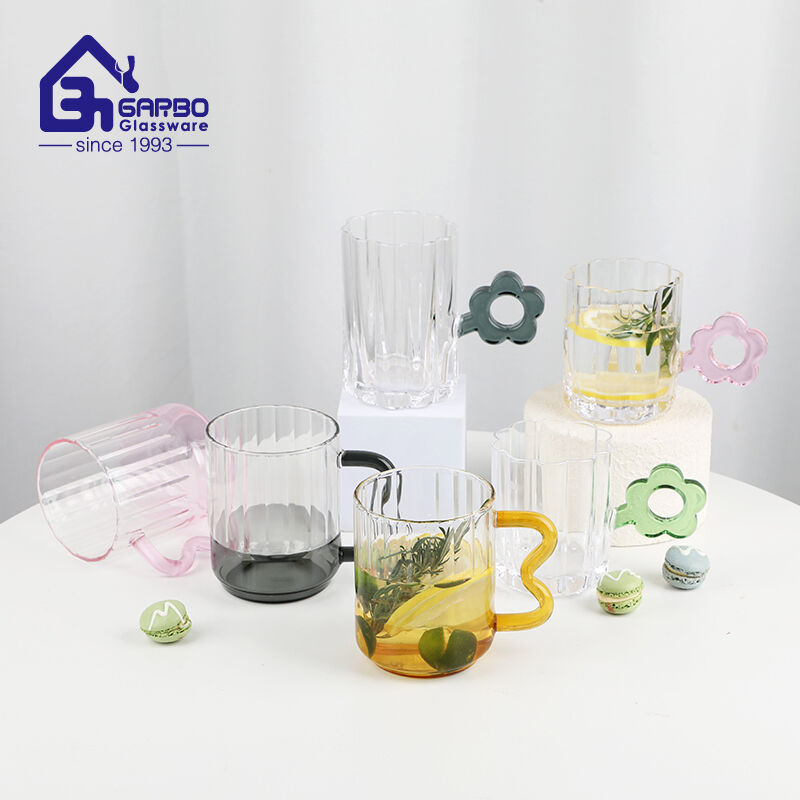
Why stable glassware supply is more important than low price
Many buyers will find after making several large orders that the lowest price is not necessarily the safest choice. If the glassware supplier cannot support continuous replenishment, even if the first batch of goods is delivered smoothly, problems will arise later. For products that require long-term sales and repeated replenishment, stable raw materials, sustainable use of molds, and predictable production capacity are often more important than being a few cents cheaper per piece. Stable supply is the key to reducing long-term risks.
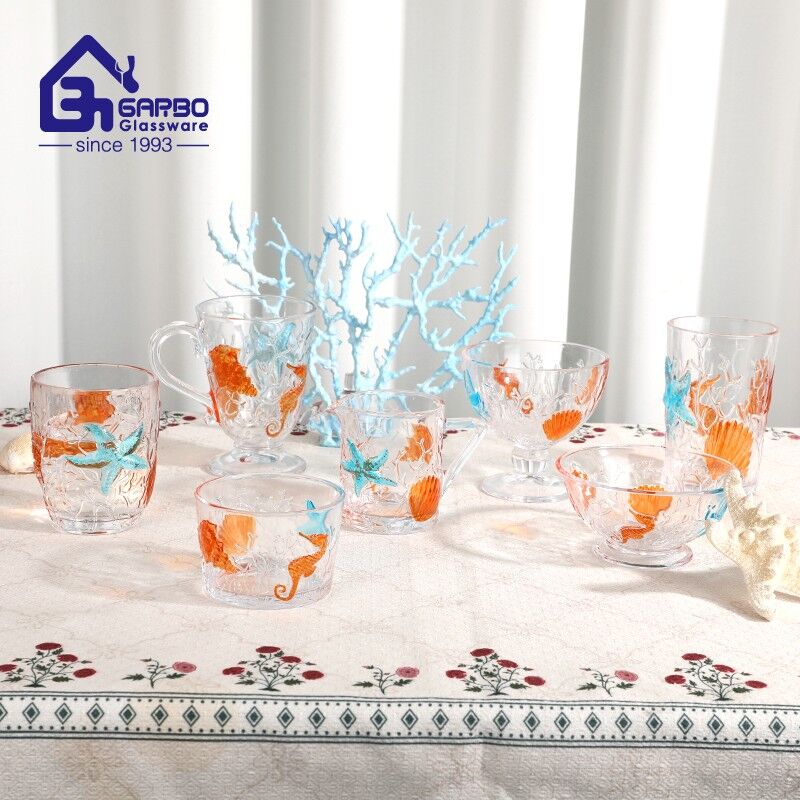
Risks are controlled before the order is placed.
For the best-selling glassware, the replenishment cycle for many buyers is between 3 and 6 months. If the supply cannot be consistently replicated as in the previous batch, risks will accumulate rapidly. The success or failure of large-scale glassware orders is often determined before the goods are dispatched. The truly risk-averse buyers will focus on factors such as stability, packaging, communication processes and supply capabilities, rather than just concentrating on prices. By clearly stating the standards and responsibilities in advance and choosing suppliers who can understand the "large quantity" logic, profits, delivery schedules and customer relationships can be protected. In the procurement of glassware, the initial preparation is always the most effective way to control risks.


-
-

-

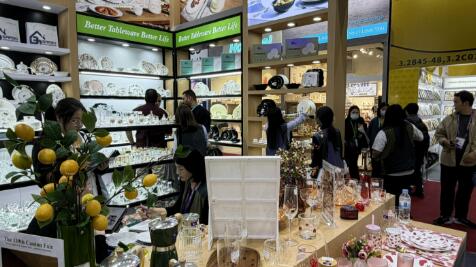
Step into Garbo’s 7th floor and experience the strength of a 30-year-old glass brand
-

Lion Dance Bestowing Blessings: Greetings from Garbo Flatware Factory
-

-
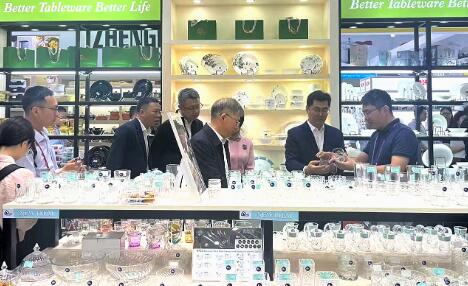
The Mayor of Guangzhou Visits Our Booth at the 136th Canton Fair