

What Buyers Often Miss When Sourcing Glassware from China
Pulished on Jan. 31, 2026


Procuring glassware from China seems straightforward. There are a wide variety of products, low prices, and experienced factories. However, many problems do not arise during the inquiry or sample-making stages, but are revealed only after mass production or when the goods arrive at the warehouse. In most cases, it is not that the product itself is bad; rather, some details were not considered clearly in the early stages.
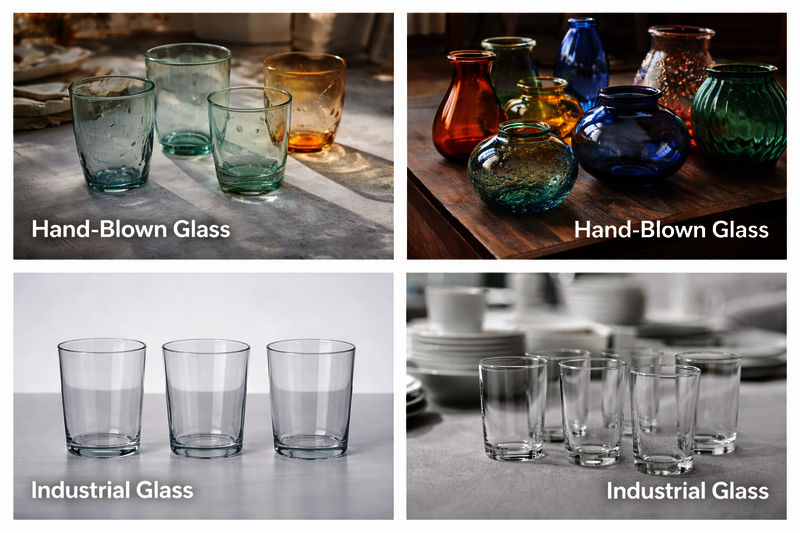
The first issue that is often overlooked is batch stability. The samples are usually well-made, but when mass production begins, there will be differences in thickness, weight or color among different batches. If these standards were not clearly stated before placing the order and only a "reference sample" was relied on, the factory would usually produce within an acceptable range, but the buyers would only realize the inconsistency after receiving the goods. For buyers who operate e-commerce or through chain channels, such differences can easily lead to complaints.

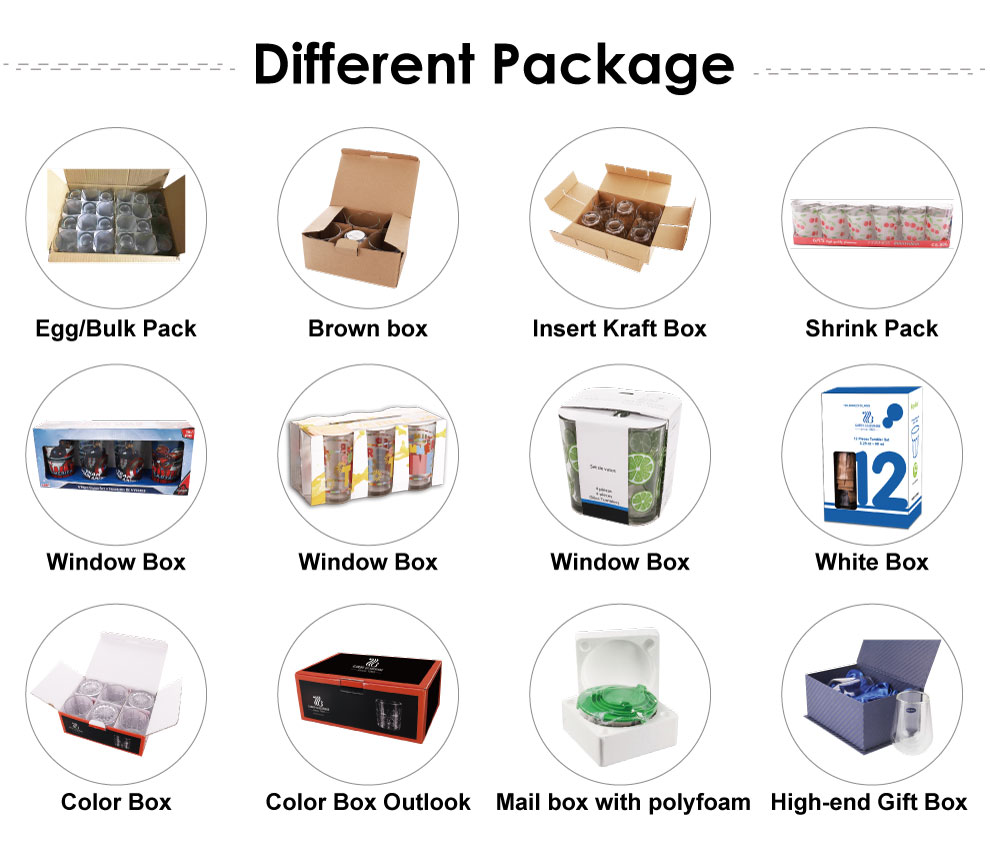
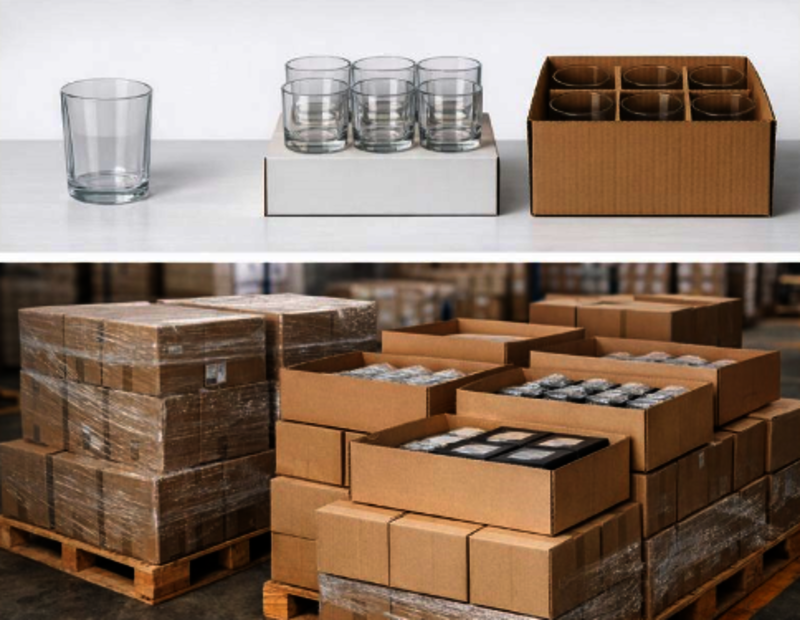
The second aspect that is often underestimated is the impact of packaging on the damage rate. Many buyers focus on the appearance of the product and the unit price, and they default to using the factory's standard packaging. However, during actual transportation, factors such as inner partitions, the strength of the carton, and the packing method all directly affect the damage rate. If these are not confirmed before placing the order, when the goods suffer damage during long-distance transportation, it is often difficult to determine the responsibility, and ultimately the buyer has to bear the loss.
The third issue is communication efficiency. In actual cooperation, poor communication often has a greater impact on the progress than the price issue. Time differences, unclear language expressions, and slow internal information transmission can all cause some simple confirmations to be delayed for several days. For example, color adjustments, printing positions, and outer box labels - without a clear process, it is very likely to affect the delivery date and even miss the sales opportunity.
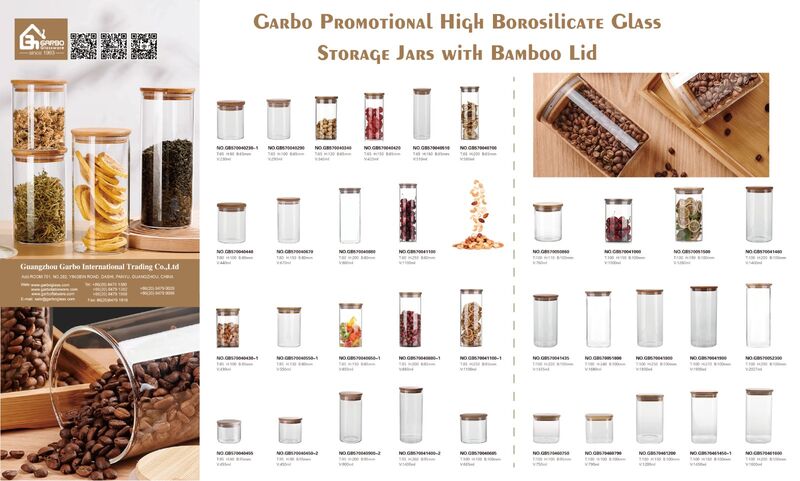
The fourth overlooked point is supply stability. Some quotations may seem attractive, but they are not suitable for long-term sales. Once there are changes in raw materials, molds, or production capacity, subsequent replenishments will become difficult. For buyers who need to keep products on shelves for a long time and make repeated restocking, the risks brought about by unstable supply are often more serious than a slightly higher unit price.
One of the common issues is that the post-sale responsibilities are not clearly defined in advance. For instance, acceptable damage rates, color tolerance deviations, replenishment or compensation methods - these are often discussed only after the problem occurs. If these matters are not explicitly agreed upon before placing the order, once there is a dispute, it can easily affect the partnership and also increase communication costs.
In summary, when purchasing glassware from Asia, it's not just about the price and samples. What truly determines the smoothness of the order is the degree of confirmation of details in the early stage. Clearly stating aspects such as batch stability, packaging methods, communication processes, supply capabilities, and after-sales responsibilities is often more important than negotiating a lower price. For buyers, by not neglecting these details, they can reduce risks and more easily establish a long-term and stable supply relationship.


-
-

-

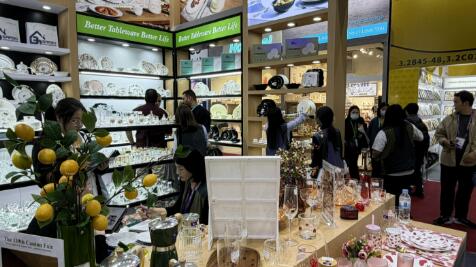
Step into Garbo’s 7th floor and experience the strength of a 30-year-old glass brand
-

Lion Dance Bestowing Blessings: Greetings from Garbo Flatware Factory
-

-
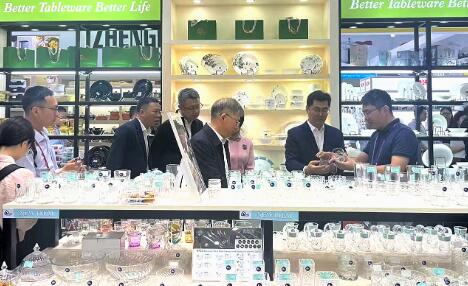
The Mayor of Guangzhou Visits Our Booth at the 136th Canton Fair